








Easy Rider, released in 1969, is more than just a film; it is a cultural phenomenon that captured the essence of the 1960s counterculture. The movie resonated with the youth of the era, reflecting their ideals, struggles, and aspirations. It became a touchstone for a generation, encapsulating the mood of the drug culture and the rise of the hippie movement.
A Reflection of Youth Culture
Easy Rider explores the youth culture in the United States during the 1960s, a time marked by
significant social change. The film delves into the rise of the hippie movement, characterized by a communal lifestyle and a rejection of traditional societal norms. The use of real drugs in the film, including marijuana, adds authenticity to its portrayal of the era's drug culture.
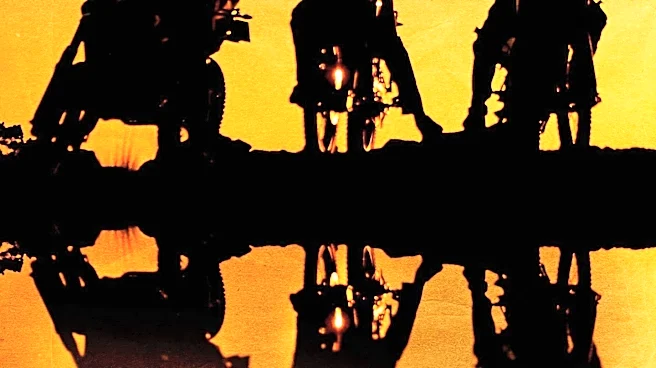
The characters Wyatt and Billy, freewheeling motorcyclists, embody the spirit of rebellion and freedom that defined the youth of the 1960s. Their journey across America is symbolic of the search for meaning and identity in a rapidly changing world. The film's depiction of communal living and free love reflects the ideals of the hippie movement, which sought to create a society based on peace, love, and harmony.
Capturing the National Imagination
Easy Rider's impact on the national imagination was profound. It resonated with audiences who were experiencing the same cultural shifts depicted in the film. The movie's exploration of themes such as freedom, rebellion, and the quest for identity struck a chord with viewers, making it a cultural landmark.
The film's soundtrack, featuring songs carefully selected to form a musical commentary, further enhanced its cultural significance. Released in August 1969, the soundtrack peaked at number six on the Billboard 200 chart, underscoring the film's widespread appeal. The music, like the film itself, captured the spirit of the times, contributing to Easy Rider's status as a cultural icon.
Legacy and Significance
Easy Rider's legacy extends beyond its initial release. It is considered a touchstone for a generation, influencing not only film but also music, fashion, and social movements. The film's portrayal of the counterculture and its challenges remains relevant, offering insights into the struggles and aspirations of the youth during the 1960s.
The movie's significance lies in its ability to capture the mood of the era and reflect the changing values of society. Easy Rider continues to be celebrated for its bold storytelling and its role in shaping the cultural landscape of the 1960s. Its impact is felt even today, as it remains a powerful symbol of freedom and rebellion.