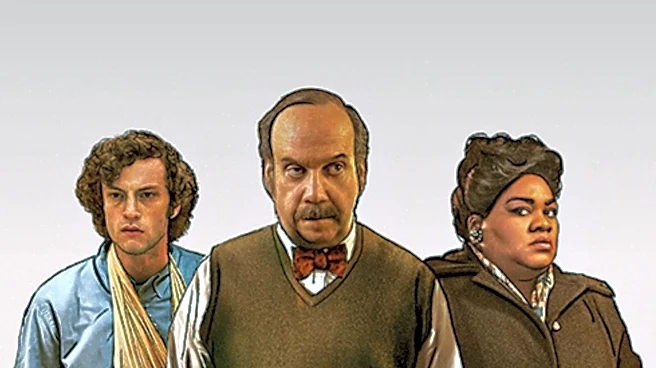








Clifford Odets's "The Country Girl," both in its 1950 play form and its 1954 film adaptation, delves into the intricate psychological landscape of its characters, particularly focusing on the devastating effects of alcoholism, deep-seated insecurity, and the deceptive facades people present to the world. The narrative centers on an alcoholic actor, his long-suffering wife, and a well-meaning director, whose interactions slowly peel back layers of misunderstanding
and reveal painful truths. This exploration of human frailty and resilience forms the core of the drama, making the characters profoundly complex and relatable.
Frank Elgin: The Alcoholic Actor's Struggle
At the heart of "The Country Girl" is Frank Elgin, a once-prominent actor whose career has faltered due to his severe alcoholism. Frank is portrayed as a demanding individual, entirely dependent on his wife, Georgie. Initially, he manipulates director Bernie Dodd into believing that Georgie is the primary cause of his career decline. This deception leads Bernie to mistakenly blame Georgie for various issues during rehearsals, including Frank's requests for special contractual terms and a dresser.
However, the true reason for Frank's professional downfall is his profound insecurity, exacerbated by a past tragedy. His five-year-old son, Johnny, died after being hit by a car while in Frank's care, an event that devastated him and fueled his reliance on alcohol. Frank's character embodies the destructive cycle of addiction, where self-deception and the projection of blame become coping mechanisms, further isolating him from genuine connection and responsibility.
Georgie Elgin: The Long-Suffering Wife's Burden
Georgie Elgin, Frank's wife, is initially misjudged by Bernie Dodd as a suicidal drunk and the architect of Frank's problems. This perception is a direct result of Frank's manipulative storytelling. In reality, Georgie is the steadfast, long-suffering partner who bears the brunt of Frank's addiction and insecurity. She is mistakenly blamed for his demands and perceived as an obstacle to his comeback, when in fact, she is the one holding their lives together.
Her character represents the immense burden placed on those who live with an alcoholic. Georgie's loyalty is a central theme; despite the hardships and Frank's deceptions, she remains by his side. Her quiet strength and resilience are eventually recognized by Bernie, who, upon learning the truth, realizes his initial hatred for her was a misdirection of a strong attraction. Georgie's journey is one of enduring immense personal strain while maintaining a quiet dignity and unwavering commitment.
Bernie Dodd: The Director's Misconceptions and Realizations
Bernie Dodd, the theater director, enters the lives of Frank and Georgie with the intention of resurrecting Frank's career. He is initially susceptible to Frank's narrative, believing Georgie to be the destructive force in Frank's life. This leads him to treat Georgie with disdain and blame her for every setback during the production of the new musical, "The Land Around Us."
Bernie's character arc is one of profound realization and humility. When he uncovers the truth about Frank's alcoholism and Georgie's true role, he is humiliated by his misjudgment. This revelation transforms his perception of Georgie, shifting his feelings from animosity to a deep attraction and love. His journey highlights how easily one can be misled by appearances and how crucial it is to look beyond superficial narratives to understand the complex realities of human relationships. Ultimately, Bernie's understanding of the Elgin's dynamic evolves, leading him to appreciate Georgie's loyalty and strength, even as she chooses to remain with Frank.