




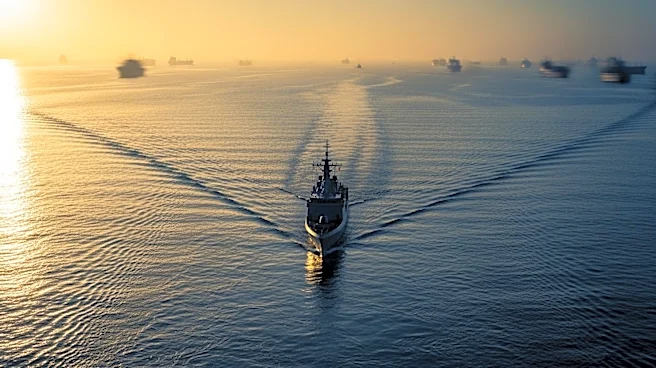
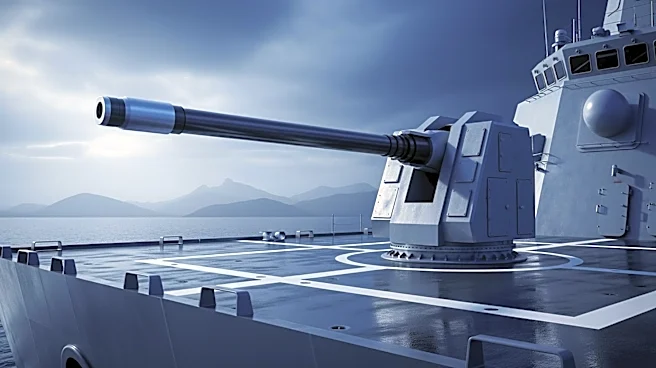


The United States Coast Guard Reserve plays a critical role in the nation's defense and security framework. As the reserve component of the Coast Guard, it provides a surge force capable of responding to a wide range of missions. This article delves into the strategic importance and operational roles of the Coast Guard Reserve, highlighting its contributions to national defense.
Strategic Importance and Mission
The Coast Guard Reserve serves as the only dedicated surge force within
the Coast Guard, trained to respond to contingencies both locally and globally. According to the Reserve Policy Statement issued in 2018, the Reserve is a contingency-based workforce that provides trained personnel to meet mission requirements in areas such as Defense Operations, Ports, Waterways, and Coastal Security, Incident Response and Management, and Mission Support.
The Reserve's strategic importance is underscored by its ability to augment active duty forces, ensuring that the Coast Guard can fulfill its missions effectively. This capability is crucial in times of national emergencies, natural disasters, and other significant events that require a rapid and robust response.
Operational Roles and Deployments
Throughout its history, the Coast Guard Reserve has been involved in numerous operations that highlight its operational roles. During World War II, reservists were integral to the Coast Guard's efforts, serving in various capacities, including coastal patrols and port security. The Reserve's unique ability to appoint temporary reservists allowed it to expand its workforce rapidly during the war.
In more recent times, the Reserve has been activated for a variety of missions. Notable deployments include responses to the USS Cole bombing, the September 11 attacks, and Hurricane Katrina. The Reserve has also been involved in international operations, such as the 2010 Haiti earthquake response and the Deepwater Horizon oil spill.
Integration and Training
The integration of reservists into active duty commands is a key aspect of the Coast Guard Reserve's operational effectiveness. This integration ensures that reservists work closely with their active duty counterparts, the Coast Guard Auxiliary, and Coast Guard civilians, augmenting the resources of active duty commands.
Training is a critical component of the Reserve's readiness. Reservists typically train two days a month and perform up to 12 days of active duty annual training each year. Additional active duty opportunities exist under various programs, ensuring that reservists maintain their skills and readiness for mobilization.
The Coast Guard Reserve's role in national defense is multifaceted, encompassing strategic importance, operational readiness, and integration with active duty forces. Its ability to provide a dedicated surge force for defense operations and incident response makes it an indispensable component of the United States Coast Guard.