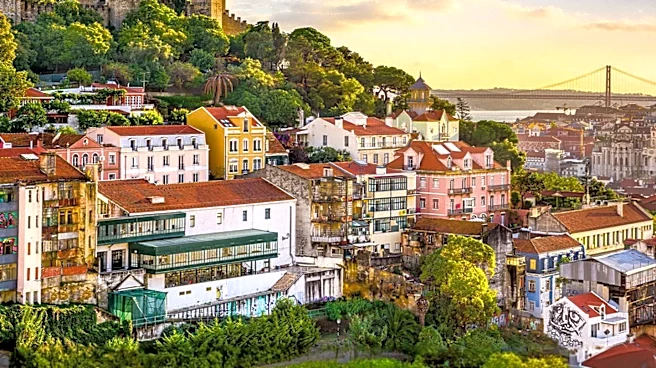









Lisbon, the capital city of Portugal, is not only the center of the Lisbon metropolitan area but also a cultural and historical hub. Known for its rich history and vibrant culture, Lisbon attracts visitors from around the world. This article explores the cultural and historical significance of Lisbon, highlighting its historical sites, cultural events, and its role within the metropolitan area.
Historical Significance
Lisbon's history is deeply intertwined with its strategic
geographical position at the mouth of the Tagus River. This location made it an important seaport for trade between the Mediterranean Sea and northern Europe. The city's historical significance is evident in its architecture, with Romanesque, Gothic, Manueline, and Baroque styles found throughout Lisbon.
The city's history is also marked by significant events, such as the Portuguese Restoration War, which ended Spanish rule and restored Portuguese independence in 1640. Lisbon's merchants played a crucial role in this period, aligning with the nobility to support the Duke of Braganza's claim to the throne. This historical backdrop adds depth to Lisbon's cultural landscape, making it a city rich in stories and heritage.
Cultural Events and Festivals
Lisbon is a city that celebrates its culture through a variety of events and festivals. The city hosts numerous cultural events annually, including the Lisbon Gay & Lesbian Film Festival, the DocLisboa International Documentary Film Festival, and the Lisbon Book Fair. These events showcase the city's diverse cultural offerings and attract visitors from around the globe.
In addition to film and literature, Lisbon is known for its music festivals, such as the Jazz in August festival. The city's vibrant cultural scene is further enriched by its architecture, with notable features like the Pombaline cage, a wood-lattice framework designed to withstand earthquakes. This blend of cultural events and architectural heritage makes Lisbon a dynamic and engaging city.
Lisbon's Role in the Metropolitan Area
As the capital city, Lisbon plays a central role in the Lisbon metropolitan area. It is home to a significant portion of the metropolitan population, with 19.6% of the area's residents living in the city. Lisbon's cultural and historical significance contributes to the overall identity of the metropolitan area, making it a key destination for tourists and residents alike.
The city's influence extends beyond its borders, as it serves as a cultural and economic center for the region. Lisbon's rich history and vibrant culture make it a focal point within the metropolitan area, attracting visitors and fostering a sense of community among its residents. As the city continues to grow and evolve, its cultural and historical significance will remain a defining feature of the Lisbon metropolitan area.