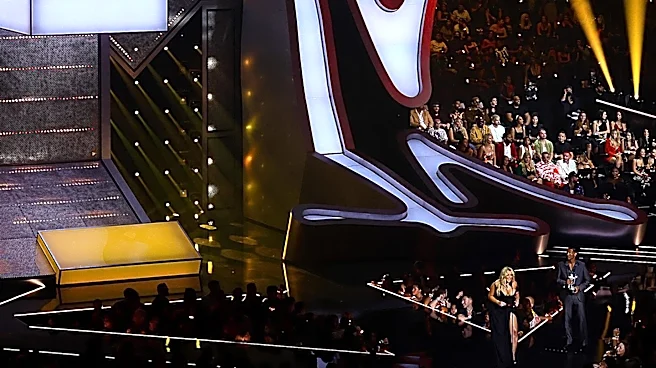








The 1990 MTV Video Music Awards, held on September 6, 1990, was more than just a ceremony honoring music videos; it was a snapshot of cultural shifts and artistic statements. Hosted by Arsenio Hall at the Universal Amphitheatre in Los Angeles, the event recognized the best music videos from June 2, 1989, to June 1, 1990. Beyond the major wins by Madonna and Sinéad O'Connor, the night featured significant moments, including a notable award elimination
and a memorable, controversial performance that underscored the evolving nature of music and its visual representation.
The Disappearance of a Category
One notable aspect of the 1990 awards was the elimination of the "Best Stage Performance in a Video" category. This marked the removal of yet another one of the show's original categories, which had been present since the awards' inception in 1984. While categories often evolve, this particular elimination was significant as it turned out to be the last time an award from the original 1984 lineup would be permanently removed for a considerable period. Although the "Breakthrough Video" category was eliminated in 2006, it was later reinstated in 2009, making the 1990 change a more lasting one in the awards' history. This shift might reflect a changing emphasis in what MTV sought to honor in music videos, perhaps moving away from live performance aspects within videos towards other forms of visual artistry.
Janet Jackson's Vanguard Recognition and Controversial Performance
A major highlight of the evening was the presentation of the Video Vanguard Award to Janet Jackson. This prestigious honor recognized her profound contributions and significant influence within music and popular culture. Jackson's receipt of the award underscored her status as a groundbreaking artist whose work had left an indelible mark on the industry. The Video Vanguard Award is a testament to an artist's enduring impact and innovation, and Jackson's recognition in 1990 solidified her place among music's elite.
Adding to the night's memorable moments, Janet Jackson also delivered a performance of her song "Black Cat." This rendition was widely considered controversial and was even described as "her first shocking public statement." Such a powerful and impactful performance demonstrated Jackson's willingness to push boundaries and use her platform for artistic expression that could provoke discussion and challenge norms. These kinds of moments often define award shows, making them not just celebrations but also cultural touchstones where artists can make bold statements.
The Power of Nominations: "Vogue" and "Janie's Got a Gun"
Beyond the winners, the sheer volume of nominations for certain videos also told a story of artistic dominance. Madonna's "Vogue" stood out with an impressive nine nominations, making it the most nominated video of 1990. This extensive recognition highlighted the video's innovative choreography, iconic imagery, and overall cultural impact. Its numerous nominations across various categories showcased its comprehensive artistic achievement.
Closely following in nominations was Aerosmith's