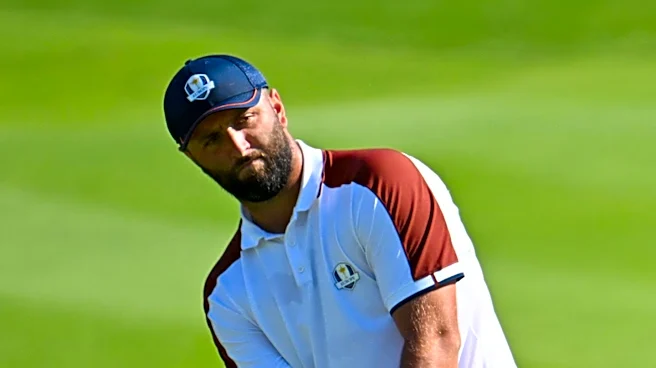






After a decade-long interruption caused by World War II, the Ryder Cup golf competition made its triumphant return in 1947. This significant event, the 7th Ryder Cup Matches, was held from November 1–2 at the Portland Golf Club in Portland, Oregon. The war had forced the cancellation of the competition from 1939 to 1945, with the last match having taken place in 1937. The revival of this prestigious tournament marked a return to normalcy and competitive
spirit in the world of golf, showcasing the resilience of international sporting events.
The Initiative to Renew the Competition
The idea to renew the Ryder Cup was first put forth by the American P.G.A. in November 1946, extending an invitation to their British counterparts. The British P.G.A. accepted this invitation the following month, setting the stage for the competition's return. However, it took several more months for the specific details to be ironed out, with the dates and venue for the 1947 matches not being agreed upon until August of that year. This period of negotiation highlights the logistical challenges involved in organizing such an international event in the immediate post-war era.
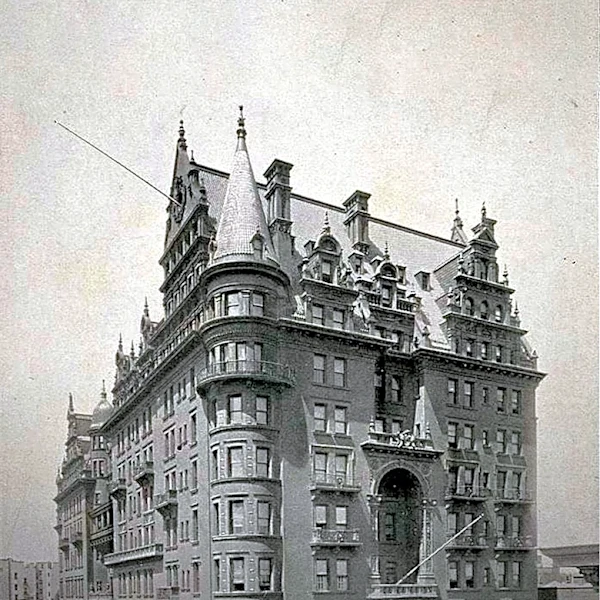
Crucially, the revival of the 1947 Ryder Cup was largely spearheaded by Portland businessman Robert A. Hudson. Hudson played a pivotal role by not only chairing the event but also by personally covering the expenses for both the American and British teams. His commitment extended to meeting the British team in New York City, hosting a lavish party for them at the Waldorf Astoria hotel, and accompanying them on their four-day rail journey across the United States to Portland. This level of personal investment was instrumental in bringing the competition back to life.
The Venue and Pre-Tournament Conditions
The chosen venue, Portland Golf Club, was no stranger to high-stakes golf. It had previously hosted the stroke play Portland Open on the PGA Tour in 1944 and 1945, with notable winners like Sam Snead and Ben Hogan. Furthermore, the club had also been the site of the match play PGA Championship in August 1946, which was won by Ben Hogan. This history made it a fitting location for the Ryder Cup's return, providing a familiar and challenging course for the competitors.
However, the conditions leading up to the event presented a unique challenge. The matches were played in the Pacific Northwest in November, a time known for its inclement weather. A week-long rain preceded the event, resulting in soft course conditions due to the wind and rain. This environmental factor likely added another layer of complexity for the players, particularly for the visiting British team who might have been less accustomed to such specific playing conditions. Despite these challenges, the event proceeded, marking a memorable chapter in Ryder Cup history.
The Overwhelming American Victory
The 1947 Ryder Cup saw an overwhelming victory for the United States team, who dominated the competition with a final score of 11–1. The American team secured all four matches on the opening day, which consisted of foursome matches. Their dominance continued into the singles matches on the second day, where they won all but one. The sole British victory in the entire competition came when Sam King defeated Herman Keiser with a score of 4 & 3. This decisive win underscored the strength of the American team in the post-war golfing landscape. Following this event, subsequent Ryder Cup matches held in the U.S. were often scheduled in more southerly venues, perhaps influenced by the challenging November weather experienced in Portland.