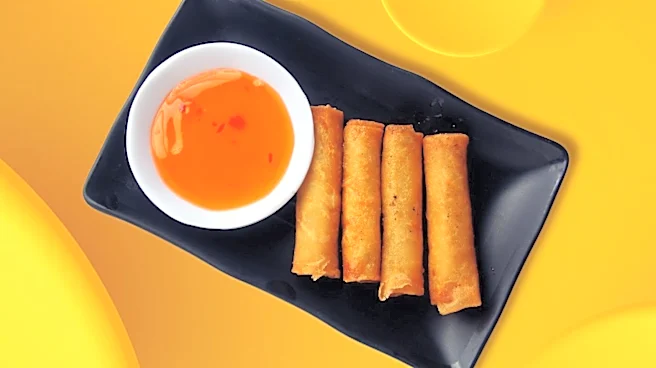







Spring rolls are more than just a tasty appetizer; they hold cultural and symbolic significance in many Asian countries. These rolled delights are often associated with celebrations, traditions, and even prosperity. This article explores the cultural importance of spring rolls in different Asian cuisines and how they have become a symbol of heritage and festivity.
Spring Rolls in Chinese Culture
In Chinese culture, spring rolls are a traditional dish served during the Spring Festival,
also known as the Chinese New Year. The rolls are believed to symbolize wealth and prosperity due to their resemblance to gold bars. This association makes them a popular choice for festive meals, where families gather to celebrate the new year and wish for good fortune.
The preparation and sharing of spring rolls during the Spring Festival also emphasize the importance of family and togetherness. Making spring rolls is often a communal activity, with family members working together to prepare the ingredients and wrap the rolls. This tradition strengthens family bonds and preserves cultural heritage, passing down recipes and techniques from one generation to the next.
Vietnamese Spring Rolls and Community
In Vietnam, spring rolls, known as gỏi cuốn or nem cuốn, are a staple in communal dining. These fresh rolls are often enjoyed in a home setting, where they are shared among family and friends. The act of rolling and eating spring rolls together fosters a sense of community and connection, reflecting the Vietnamese value of hospitality and togetherness.
Vietnamese spring rolls are also a symbol of balance and harmony, as they combine a variety of ingredients and flavors. The fresh herbs, vegetables, and proteins wrapped in rice paper represent the balance of yin and yang, a concept deeply rooted in Vietnamese culture. This balance is not only reflected in the ingredients but also in the way the rolls are served, often accompanied by a harmonious blend of dipping sauces.
Spring Rolls in Southeast Asian Celebrations
In Southeast Asia, spring rolls are a common feature at celebrations and gatherings. In the Philippines, lumpia is a popular dish at fiestas and family events, symbolizing abundance and hospitality. The Filipino version of spring rolls is often served in large quantities, reflecting the culture's emphasis on generosity and sharing.
Similarly, in Thailand and Malaysia, spring rolls are enjoyed during festive occasions, where they are served as part of a larger spread of dishes. The presence of spring rolls at these events highlights their role as a symbol of celebration and joy, bringing people together through food.
Spring rolls, with their rich cultural significance, continue to be a cherished part of Asian culinary traditions. They embody the values of family, community, and prosperity, making them more than just a delicious dish but a meaningful symbol of cultural heritage.