


Nikita Khrushchev's 1959 visit to the United States included a significant stop in California, a state that offered him a unique glimpse into American culture and technology. His time in Los Angeles and San Jose was marked by both diplomatic exchanges and unexpected observations, providing a fascinating contrast to his Soviet experiences. From engaging in spirited debates about economic systems to being surprisingly impressed by a self-service cafeteria,
Khrushchev's California tour revealed his reactions to the American way of life.
Confrontations and Cancellations in Los Angeles
Upon his arrival in Los Angeles, Khrushchev was met with a direct challenge from Mayor Norris Poulson. Poulson referenced Khrushchev's earlier statement, "We will bury you!" made in Moscow, and firmly declared, "We do not agree with your widely quoted phrase, 'We will bury you.' You shall not bury us and we shall not bury you. We are happy with our way of life. We recognize its shortcomings and are constantly striving to improve it. But if challenged, we will fight to preserve it." This bold statement came after the Soviet premier had consistently praised Soviet superiority during his tour of the city, setting a confrontational tone for his visit.
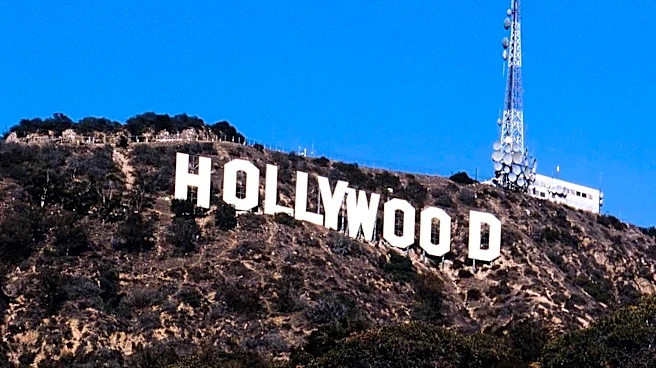
During a luncheon at Twentieth Century-Fox Studio, Khrushchev found himself in an impromptu debate with host Spyros Skouras. The discussion centered on the merits of capitalism versus communism, showcasing the ideological differences that defined the Cold War era. Despite the political tensions, Khrushchev also had the opportunity to meet prominent American actors such as Gary Cooper, Frank Sinatra, Elizabeth Taylor, and Marilyn Monroe, adding a touch of Hollywood glamour to his diplomatic trip. However, a planned visit to Disneyland on September 19 was canceled due to security concerns, a decision that reportedly added to Khrushchev's displeasure.
Unexpected Impressions in San Jose
Khrushchev's visit to California also took him to San Jose, where he toured a new research campus for the International Business Machines Corporation (IBM). While one might expect a Soviet leader to be keenly interested in advanced computer technology, Khrushchev's attention was drawn elsewhere. He reportedly showed little interest in the sophisticated computer systems being developed at IBM.
Instead, Khrushchev was particularly captivated by the self-service cafeteria at the IBM facility. This seemingly mundane aspect of American life left a lasting impression on him. Upon his return to Moscow, he introduced the concept of self-service in the Soviet Union, demonstrating how even small observations during his trip could influence policy and daily life back home. This detail highlights the practical and sometimes surprising takeaways Khrushchev gained from his American tour, beyond the high-level political discussions.