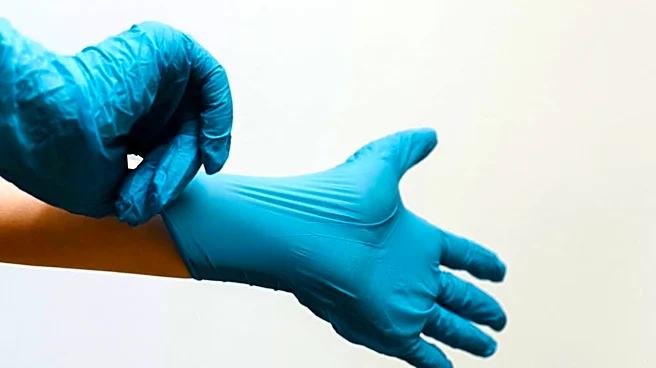









In the medical field, gloves play a crucial role in preventing contamination and protecting both healthcare workers and patients. This article explores the importance of medical gloves, their development, and their impact on healthcare practices. By understanding the role of gloves in medical settings, we can appreciate their significance in maintaining hygiene and safety.
The Development of Medical Gloves
The use of gloves in medical settings dates back to the late 19th century. Caroline
Hampton, the chief nurse at Johns Hopkins Hospital, developed a skin reaction to mercuric chloride used for asepsis. In response, her future husband, William Halsted, requested the Goodyear Rubber Company to produce thin rubber gloves for her protection. This marked the beginning of the use of gloves in surgery and other medical procedures.
Over time, the design and materials of medical gloves have evolved. The first modern disposable glove was invented by Ansell Rubber Co. Pty. Ltd. in 1965, based on the technique for making condoms. These gloves have since become a staple in medical settings, offering protection against cross-contamination and infection.
Types and Uses of Medical Gloves
Medical gloves are made from various polymers, including latex, nitrile rubber, polyvinyl chloride, and neoprene. They come in two main types: examination gloves and surgical gloves. Examination gloves are available in both sterile and non-sterile forms, while surgical gloves are generally sterile and offer more precise sizing and sensitivity.
The primary purpose of medical gloves is to reduce the risk of contamination. They protect healthcare workers' hands from blood and other body fluids, while also preventing the spread of germs to patients and the environment. In addition to medical settings, gloves are widely used in chemical and biochemical laboratories for basic protection against corrosives and surface contamination.
Challenges and Innovations
Despite their benefits, medical gloves are not without challenges. The incidence of latex allergies has led to the development of alternative materials like nitrile and neoprene. These materials offer similar protection while reducing the risk of allergic reactions.
Double gloving, the practice of wearing two layers of gloves, has also been adopted to enhance protection during surgical procedures. This method significantly reduces the risk of glove perforation and subsequent contamination.
The ongoing development of medical gloves reflects the healthcare industry's commitment to safety and hygiene. As new materials and technologies emerge, gloves will continue to play a vital role in protecting both healthcare workers and patients from contamination and infection.