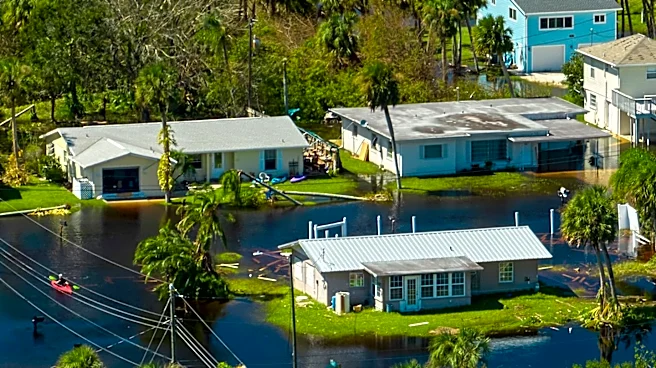









In late July 2022, a catastrophic flooding event struck the Appalachian region, particularly affecting Eastern Kentucky. This natural disaster was described as a thousand-year flooding event, leading to a state of emergency declared by Governor Andy Beshear. The floods resulted in significant loss of life and property, with 39 direct deaths reported. The storms brought up to 10.4 inches of rain, causing severe damage across multiple counties and cities.
Widespread Destruction Across Kentucky
The flooding had a profound impact on several Kentucky cities, including Hazard, Jackson, Paintsville, and Pikeville. The Kentucky Court of Justice was forced to close judicial centers in Floyd, Letcher, Magoffin, and Perry counties due to the extreme conditions. Roads were shut down, and evacuations were ordered in downtown areas of cities like Hazard and Jenkins. The North Fork of the Kentucky River set record high crests in Whitesburg and Jackson, exacerbating the situation.
In Hindman, Knott County, nearly all buildings in the downtown area sustained flood damage. The Appalachian Artisan Center, a new swimming pool, and a skatepark were severely damaged. The Hindman Settlement School and the Appalachian School of Luthiery were also heavily affected. Tragically, four children were swept away by floodwaters in Montgomery Creek, highlighting the human toll of the disaster.
Infrastructure and Community Challenges
The floods caused significant infrastructure damage, with many roads and bridges rendered impassable. In Letcher County, Whitesburg saw many businesses destroyed, including a long-standing used car dealership. Appalshop, a cultural center housing a vast media collection of Appalachian history, suffered extensive damage, with some of its contents swept away.
In Perry County, Buckhorn was inundated by Squabble Creek, leading to the flooding of numerous homes and Buckhorn School. The school's parking lot pavement was pulled up, and classrooms were destroyed. Robinson Elementary in the Ary community also sustained severe damage, with exterior walls and roofs collapsing.
Long-term Effects and Recovery Efforts
The flooding left over 33,000 customers without electricity, and many communities were cut off due to downed power lines and washed-out roads. The Oneida community in Clay County was particularly isolated, with floodwaters impacting homes previously affected by a 2020 event.
The aftermath of the floods saw a significant cleanup effort, with additional fatalities occurring during these operations. The extreme weather event was linked to climate change, with experts noting that such heavy precipitation events have intensified. Criticism was directed at local mining companies for not restoring land to its natural state, which may have exacerbated the flooding. The disaster highlighted the need for improved infrastructure and emergency preparedness in the face of increasingly severe weather events.