





The Bellevue-Stratford Hotel in Philadelphia, Pennsylvania, is remembered not only for its grandeur but also as the site of the first known outbreak of Legionnaires' disease in 1976. This outbreak led to significant medical discoveries and changes in public health policies. This article explores the hotel's role in the outbreak and its impact on the future of disease prevention.
The Convention and Outbreak
In July 1976, The Bellevue-Stratford Hotel hosted the annual American
Legion convention, attracting over 2,000 attendees. The event was timed to coincide with the bicentennial celebration of the Declaration of Independence. However, the convention took a tragic turn when attendees began falling ill with symptoms such as fever, chest pains, and lung congestion. Within days, several Legionnaires died, prompting an investigation into the cause.
The outbreak was initially mysterious, with health officials struggling to identify the source of the illness. The hotel environment became a focal point of the investigation, as more cases emerged among those who had been present at the convention. The situation was further complicated by fears of a swine flu outbreak, which was prevalent at the time.
Discovery and Closure
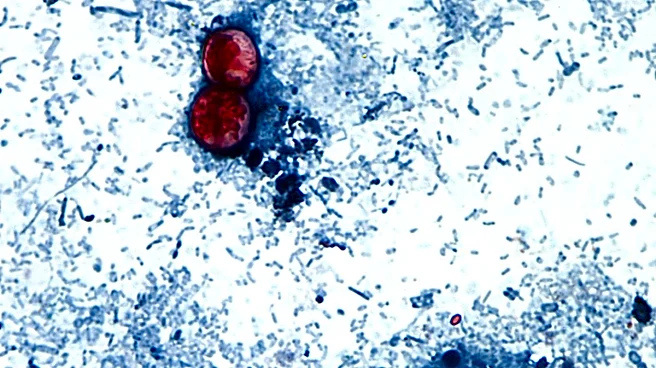
The CDC conducted a thorough investigation, eventually identifying the Legionella pneumophila bacterium as the cause of the outbreak. The bacteria were found to be breeding in the hotel's air conditioning system, specifically in the cooling tower. This discovery was pivotal in understanding how Legionnaires' disease spreads and led to new regulations for climate control systems worldwide.
Despite the medical breakthrough, the outbreak had a lasting impact on The Bellevue-Stratford Hotel. The negative publicity and fear surrounding the disease led to a decline in business, and the hotel closed its doors in November 1976, just four months after the outbreak. The closure marked the end of an era for the historic hotel, which had been a symbol of luxury and elegance in Philadelphia.
Legacy of the Hotel
The Bellevue-Stratford Hotel's role in the 1976 outbreak is a reminder of the importance of environmental factors in disease transmission. The discovery of Legionella pneumophila at the hotel prompted changes in public health policies and increased awareness of the need for safe air conditioning systems. The hotel's closure also highlighted the economic impact of disease outbreaks on businesses.
Today, the legacy of The Bellevue-Stratford Hotel lives on in the lessons learned from the outbreak. It serves as a case study in the importance of vigilance and preparedness in preventing disease transmission, ensuring that public spaces remain safe for all.