





The internal abdominal oblique muscle, often simply called the internal oblique, is a crucial component of the human abdominal wall. Positioned strategically between the external abdominal oblique and the transversus abdominis muscles, it plays a significant role in various bodily movements and essential physiological processes. Understanding its structure, from its origins to its insertions, and its dual functions in both abdominal compression and respiration,
provides insight into the complex mechanics of the torso.
This muscle is not just a simple layer; its fibers are uniquely oriented, running perpendicular to those of the external oblique muscle. This distinct arrangement contributes to its effectiveness in trunk rotation and abdominal support. Its comprehensive innervation by multiple nerves further highlights its importance in coordinated muscular actions.
Anatomical Blueprint: Origins, Course, and Insertions
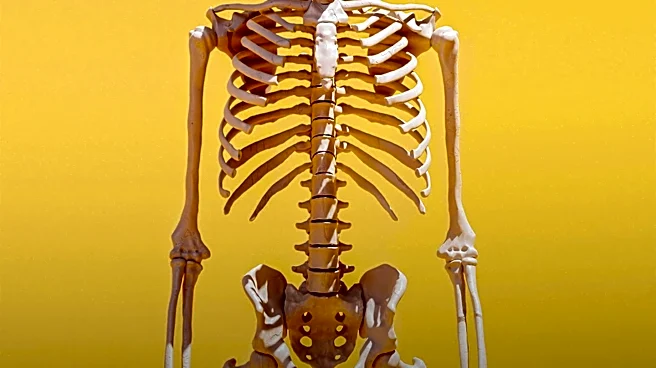
The internal oblique muscle has a broad origin, anchoring it firmly to several key structures in the lower back and hip region. It begins in the thoracolumbar fascia, a strong connective tissue in the lower back, providing a stable base for its actions. Additionally, it originates from the anterior two-thirds of the iliac crest, which is the upper part of the hip bone, and the lateral half of the inguinal ligament, a band of tissue extending from the hip to the pubic bone.
From these origins, the muscle fibers embark on a superomedial path, meaning they travel upwards and towards the midline of the body. This specific directionality is vital for its functional capabilities. The fibers then insert onto the inferior borders of the 10th through 12th ribs, providing a connection to the rib cage, and also into the linea alba, a fibrous band that runs down the midline of the abdomen. This intricate network of origins and insertions allows the internal oblique to exert force across a wide area of the torso.
Dual Roles: Abdominal Compression and Respiratory Assistance
The internal oblique muscle is recognized for two primary functions, both critical for overall bodily health and movement. Firstly, it acts to compress the abdomen. When both internal oblique muscles contract bilaterally, they exert pressure on the abdominal contents. This compression is essential for various actions, including forced exhalation, defecation, and childbirth, by increasing intra-abdominal pressure.
Secondly, the internal oblique serves as an accessory muscle of respiration, specifically aiding in exhalation. It functions as an antagonist, or opponent, to the diaphragm. During inhalation, the diaphragm contracts and pulls the lower wall of the chest cavity downwards, increasing lung volume and drawing air in. Conversely, when the internal obliques contract, they compress the abdominal organs. This action pushes these organs upwards into the diaphragm, causing it to intrude back into the chest cavity. This reduction in the volume of the air-filled lungs facilitates exhalation, expelling air from the body. This coordinated action between the diaphragm and the internal obliques demonstrates the muscle's integral role in the mechanics of breathing.
Trunk Rotation: A Coordinated Effort
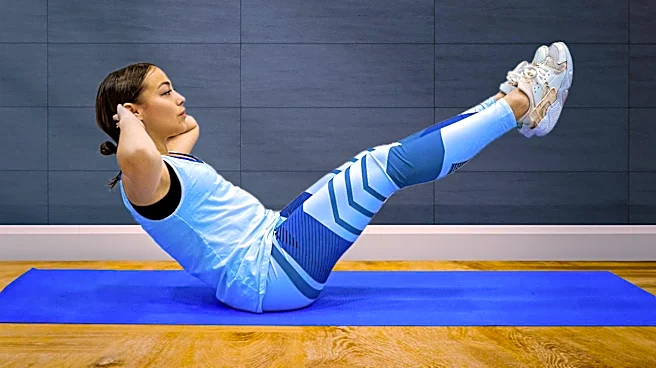
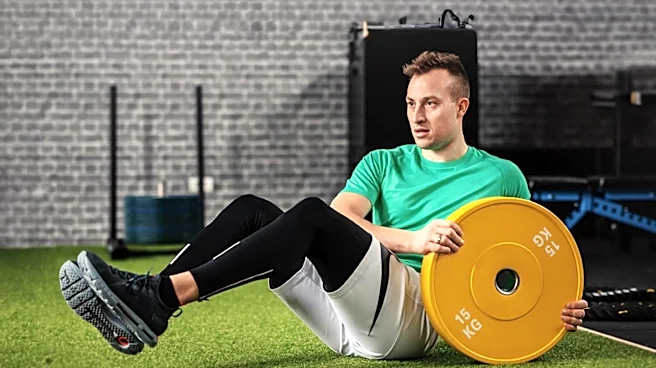
Beyond compression and respiration, the internal oblique muscle is a primary mover in trunk rotation and side-bending. Its contraction causes ipsilateral rotation, meaning it rotates the trunk towards the same side of the body where the muscle is contracting. For instance, if the right internal oblique contracts, it contributes to rotating the torso to the right.
This rotational movement is often a coordinated effort with the external oblique muscle of the opposite side. To illustrate, when the torso flexes and rotates to bring the left shoulder towards the right hip, the right internal oblique and the left external oblique muscles contract together. This synergistic action allows for complex torsional movements of the trunk. Due to its role in rotating the trunk towards the same side, the internal obliques are sometimes referred to as "same-side rotators," distinguishing their action from the contralateral rotation often associated with the external obliques.