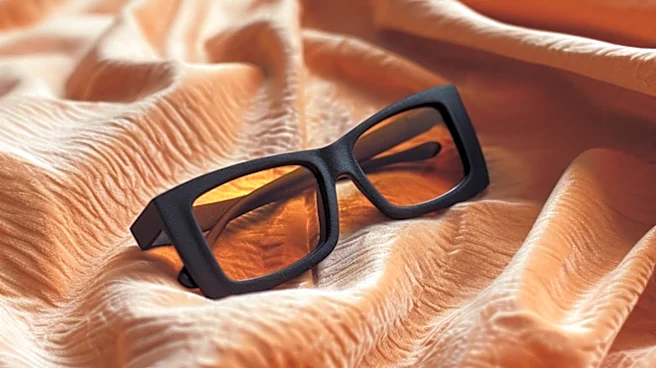









Corduroy, a fabric known for its distinctive ridged texture, has a rich history that traces back to medieval times. Originally associated with royalty, corduroy has evolved into a durable and versatile material used in various garments and furniture. This article delves into the historical journey of corduroy, highlighting its transformation from a fabric of kings to a staple in everyday fashion.
Origins and Royal Connections
Corduroy's origins are steeped in regal associations.
The name itself is believed to have derived from the French phrase "le corde du roi," meaning "the cord of the King." This connection to royalty suggests that corduroy was once a fabric favored by kings, adding a touch of luxury to their attire. Over time, the name evolved into "corduroy" due to mispronunciation or simplification, but the fabric's royal roots remain a significant part of its history.
In its early days, corduroy was a form of velvet, characterized by its tufted cords that lay parallel to each other. This unique structure gave corduroy its signature ridged appearance, setting it apart from other textiles. The fabric's durability and distinctive texture made it a popular choice for clothing and upholstery, cementing its place in the textile industry.
Corduroy in Modern Fashion
As the centuries passed, corduroy transitioned from a fabric associated with nobility to a material embraced by the masses. Its durability made it an ideal choice for practical garments such as trousers, jackets, and shirts. The fabric's versatility allowed it to adapt to various fashion trends, ensuring its continued relevance in the ever-changing world of fashion.
Corduroy's wale count, or the number of ridges per inch, plays a crucial role in determining its application. Wide wale corduroy, with fewer ridges per inch, is commonly used in trousers and furniture upholstery, while medium, narrow, and fine wale fabrics are typically found in garments worn above the waist. This adaptability has allowed corduroy to maintain its popularity across different styles and uses.
The Global Reach of Corduroy
Corduroy's appeal extends beyond its practical applications, as it has become a global phenomenon. In various parts of Europe, corduroy is known by different names, such as "Manchester" in Sweden and Czechia, and "velours côtelé" in France. These regional variations highlight the fabric's widespread influence and its ability to transcend cultural boundaries.
Despite its evolution over the years, corduroy remains a beloved fabric, cherished for its unique texture and durability. From its royal beginnings to its modern-day applications, corduroy continues to be a staple in fashion and design, proving that its appeal is truly timeless.