
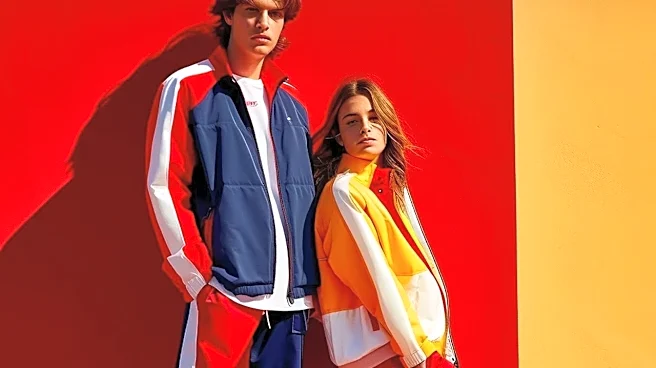
The smart casual dress code, while generally understood as a blend of formal and casual elements, is not a monolithic concept. Instead, it encompasses a spectrum of styles that can be broadly categorized into four main types: traditional, fashionable, sporty, and relaxed. Each of these categories offers a distinct approach to achieving a polished yet comfortable look, allowing individuals to tailor their attire to specific occasions, personal preferences,
and even professional environments. Understanding these distinctions is key to mastering the versatility of smart casual.
Traditional Smart Casual: Classic Professionalism
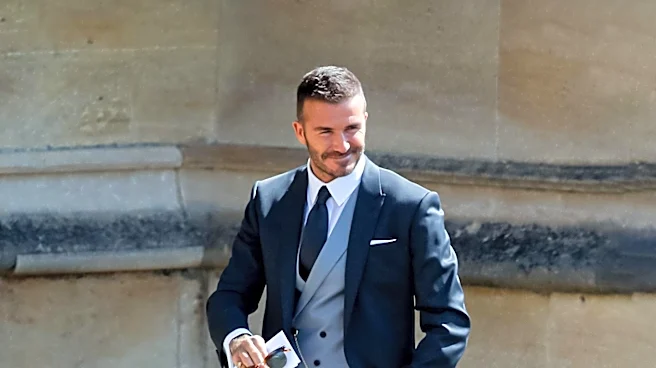
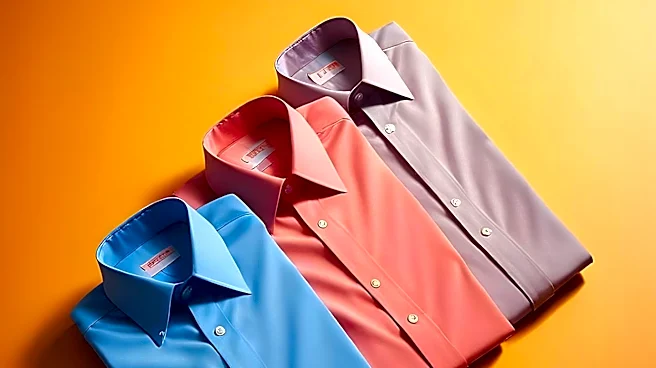
The traditional smart casual style leans towards a more conventional and professional aesthetic, often drawing inspiration from business casual wear. For men, this typically involves wearing a suit jacket and trousers that do not necessarily form a complete suit. The idea is to combine these pieces with a button-down collar shirt, which adds a touch of formality without requiring a tie. Common fabric choices for this style include wool blends, cotton, silk, linen, or nylon, offering both comfort and a refined appearance.
Color palettes for traditional smart casual often feature conservative tones such as dark gray or navy blue, contributing to a sophisticated and understated look. When it comes to footwear, lightweight leather shoes, such as loafers, are a popular choice, providing a polished finish that complements the overall ensemble. This traditional approach is ideal for settings where a respectful and neat appearance is paramount, but full formal wear is not expected.
Fashionable Smart Casual: Contemporary Elegance
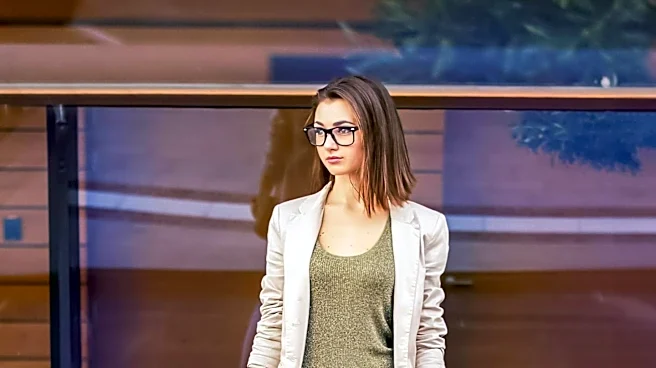
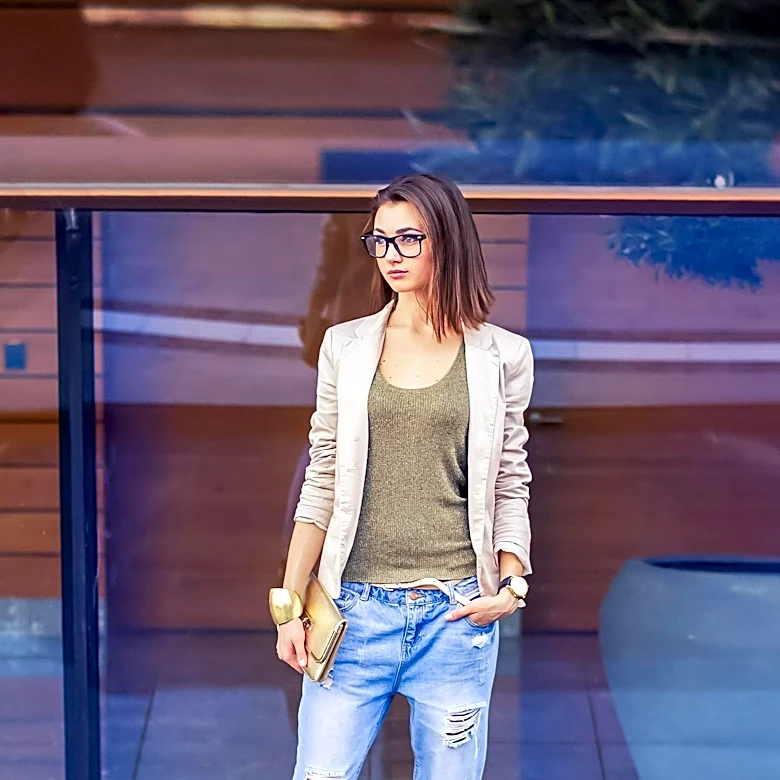
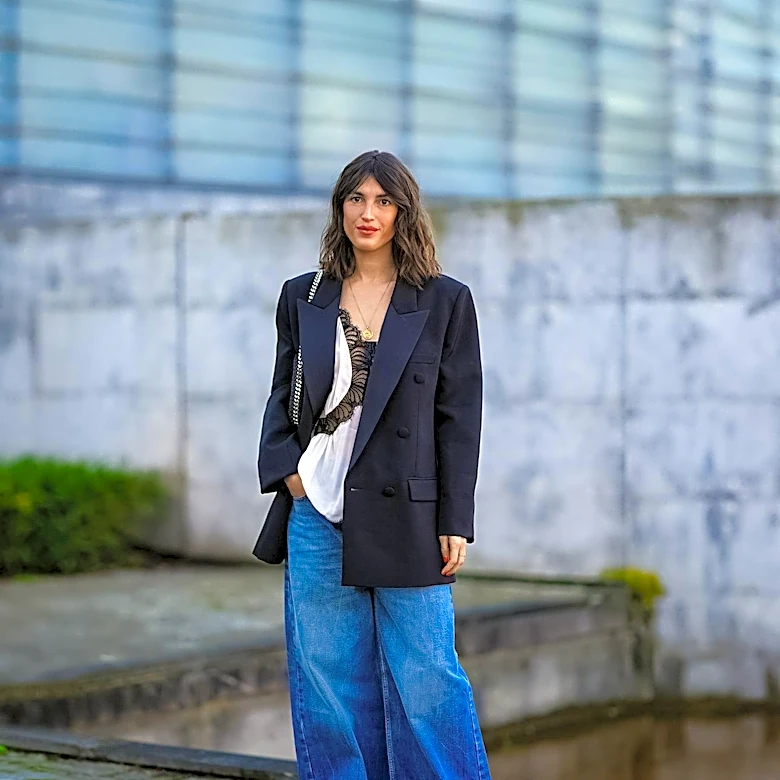
The fashionable smart casual style embraces modern trends and a sense of contemporary elegance. This category encourages individuals to incorporate current fashion elements into their outfits, but always with an eye towards timelessness rather than fleeting fads. It's about looking current and stylish without being overly avant-garde. For example, a suit jacket might be paired with trousers of a different style or cut, creating a more dynamic and less rigid silhouette.
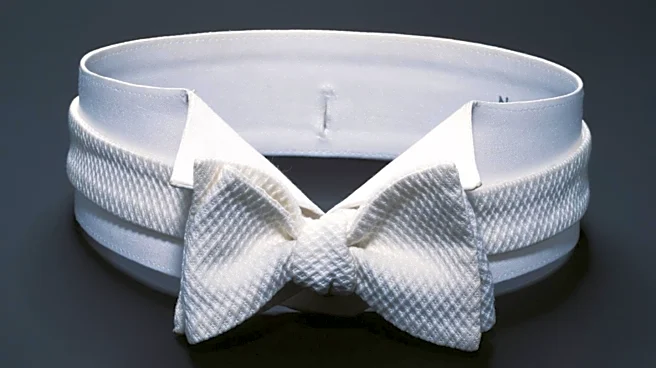
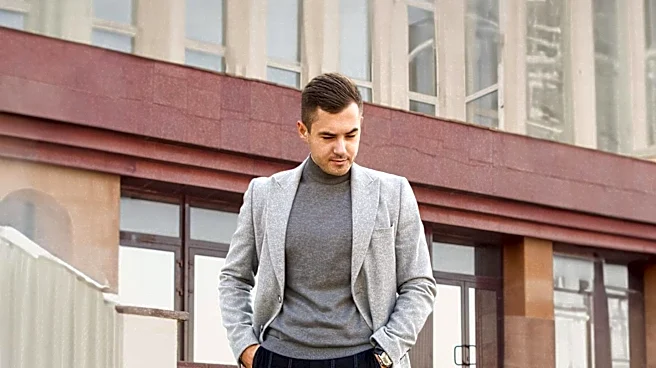
Underneath the jacket, a round-neck or V-neck shirt can be worn, offering a more relaxed alternative to the traditional collared shirt. During the colder seasons, a turtleneck shirt becomes an excellent option, providing warmth and a chic, sophisticated look. Fashionable ties can also be integrated into this style, perhaps tied in a more creative knot or chosen for their unique patterns, adding a personal touch to the outfit. This style is perfect for those who wish to express their individuality while adhering to a smart casual standard.
Sporty and Relaxed Smart Casual: Comfort Meets Style
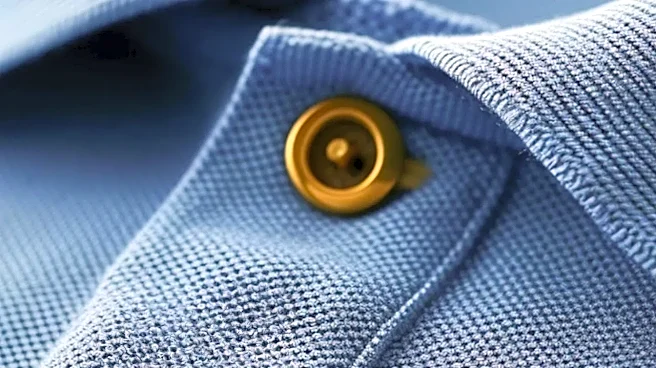
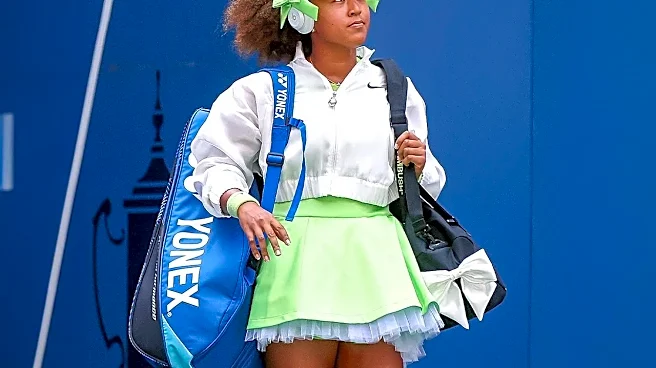
Moving towards the more casual end of the spectrum, the sporty smart casual style incorporates elements that suggest an active lifestyle while maintaining a polished appearance. This might involve selecting a sportier suit jacket or a jacket paired with a Polo T-shirt and khaki trousers. The combination offers comfort and ease of movement, making it suitable for more dynamic or informal gatherings where a degree of smartness is still desired. It's a practical yet stylish option that balances comfort with presentability.
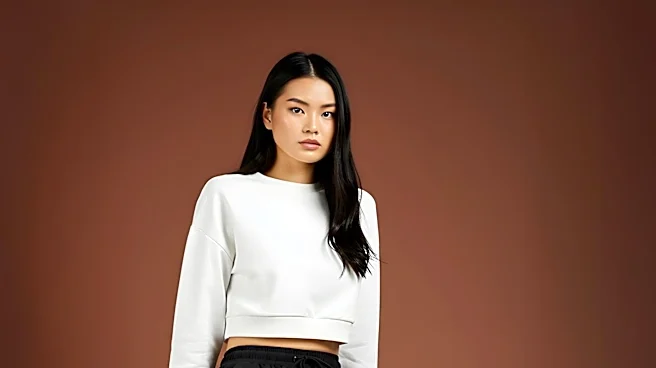
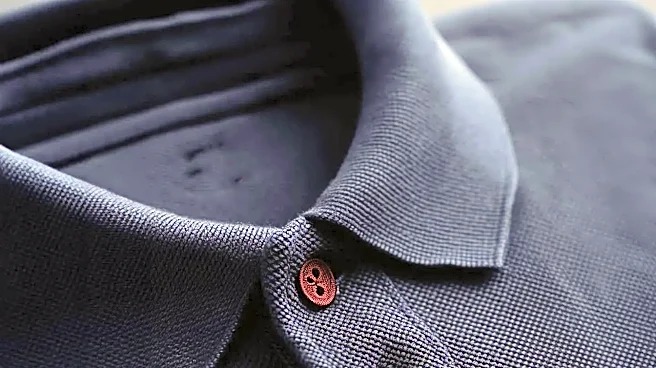
Finally, the relaxed smart casual style represents the most informal interpretation of the dress code. This approach prioritizes comfort and simplicity, typically featuring a round-neck or collared T-shirt paired with long trousers. While it is the most casual of the smart casual categories, it still implies a level of neatness and intentionality in dressing, distinguishing it from purely casual wear. This style is best suited for very informal events or environments where a minimal yet respectable dress code is in effect.