









Parabens are a class of organic compounds widely utilized as preservatives in both cosmetic and pharmaceutical products. Chemically, they are esters of parahydroxybenzoic acid, also known as 4-hydroxybenzoic acid. Their primary function stems from their effectiveness as preservatives across many product types, offering bactericidal and antifungal properties. These compounds, and their salts, are commonly found in a diverse range of everyday items,
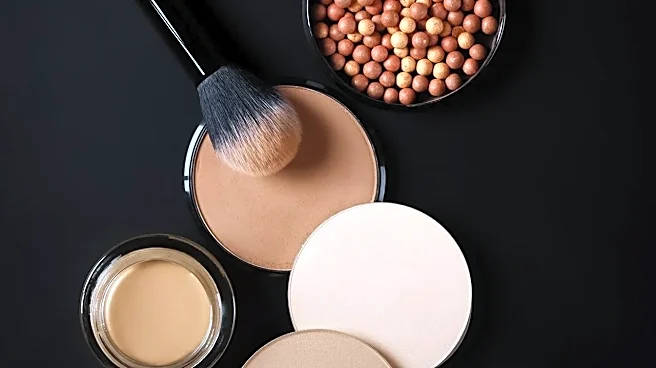
from shampoos and commercial moisturizers to shaving gels, topical and parenteral medications, spray-based sun products, makeup, and toothpaste. They also see use as food additives, highlighting their broad application in consumer goods.
Chemical Structure and Antibacterial Action
Parabens derive their name from their chemical origin as esters of parahydroxybenzoic acid. The general structure involves an alkyl group, which can be methyl, ethyl, propyl, or butyl, among others. This structural variation gives rise to different types of parabens, such as methylparaben, ethylparaben, propylparaben, and butylparaben, which are among the most commonly used. Less frequently encountered parabens include isobutylparaben, isopropylparaben, and benzylparaben.
These compounds are effective against a wide spectrum of microorganisms, though the precise mechanism of their antibacterial action is not fully understood. Current theories suggest that parabens may disrupt membrane transport processes within bacteria, or they might inhibit the synthesis of DNA and RNA. Additionally, they could interfere with key enzymes like ATPases and phosphotransferases in certain bacterial species. Propylparaben, for instance, is considered more potent against a broader range of bacteria than methylparaben. This enhanced activity is thought to be linked to its greater solubility in bacterial membranes, allowing it to reach cytoplasmic targets in higher concentrations. The greater lipid solubility of propylparaben might also disrupt the lipid bilayer, thereby impeding bacterial membrane transport and potentially causing the leakage of intracellular components.
Safety and Regulatory Considerations
Regarding safety, parabens are generally considered non-irritating and non-sensitizing. Studies have shown that less than 3% of patients with contact dermatitis or eczema exhibit sensitivity to parabens. Methylparaben, and by extension other esters, has been found to be practically non-toxic when administered orally or parenterally in animals. It is rapidly hydrolyzed into p-hydroxybenzoic acid and excreted in urine without accumulating in the body.
Regulatory bodies have also weighed in on paraben safety. In 2013, the European Scientific Committee on Consumer Safety (SCCS) reaffirmed the safety of methylparaben and ethylparaben at maximum authorized concentrations (up to 0.4% for a single ester or 0.8% when used in combination). For butylparaben and propylparaben, the SCCS concluded their use as preservatives in cosmetic products is safe, provided the sum of their individual concentrations does not exceed 0.19%. However, certain parabens, specifically isopropylparaben, isobutylparaben, phenylparaben, benzylparaben, and pentylparaben, have been banned by European Commission Regulation (EU) No 358/2014, indicating a nuanced approach to their regulation based on specific chemical structures and potential effects.