





In human anatomy, the term "brevis muscle" is derived from the Latin word "brevis," which means "short." This designation is used to describe various muscles throughout the body that are typically shorter in length compared to other muscles in their respective regions. Despite their name, these muscles play significant roles in movement and function, contributing to the intricate mechanics of the human musculoskeletal system. Understanding the concept
of brevis muscles helps in appreciating the detailed organization of our bodies.
Brevis Muscles in the Foot
The foot is home to several brevis muscles, each contributing to its complex movements. Among the extensor brevis group, we find the extensor digitorum brevis muscle, located on the upper surface of the foot. This muscle is crucial for extending digits 2 through 4. Another important muscle in this group is the extensor hallucis brevis muscle, which is situated on the top of the foot and assists in extending the big toe. These muscles enable fine control over toe movements, essential for balance and locomotion.
Within the flexor brevis group of the foot, there are also notable examples. The flexor digiti minimi brevis muscle of the foot is found under the metatarsal bone of the little toe, contributing to its flexion. Additionally, the flexor hallucis brevis muscle is located in the sole of the foot and leads to the big toe, playing a role in its flexion. These flexor muscles are vital for gripping and maintaining stability during various activities.
Brevis Muscles in the Arm and Hand
The upper limb also features several brevis muscles that are integral to its function. In the arm, the extensor carpi radialis brevis muscle is located in the middle of the forearm. This muscle is involved in manipulating the wrist, allowing the hand to move away from the palm and towards the thumb. Another muscle, the extensor pollicis brevis muscle, is a skeletal muscle found on the dorsal side of the forearm, contributing to thumb extension.
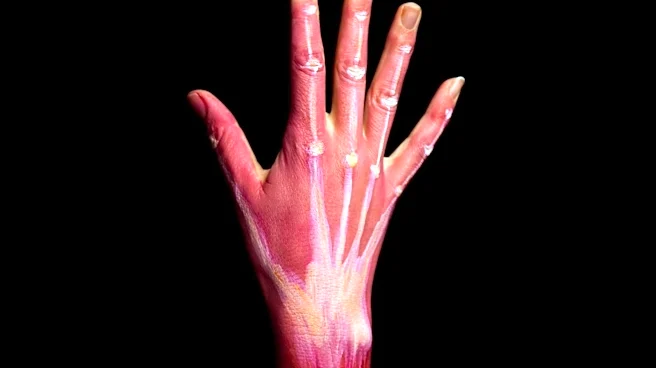
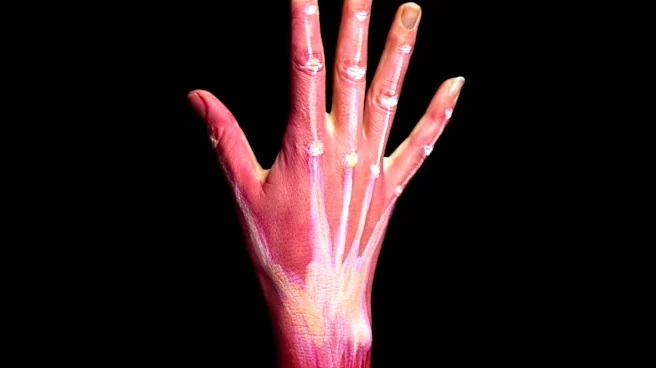
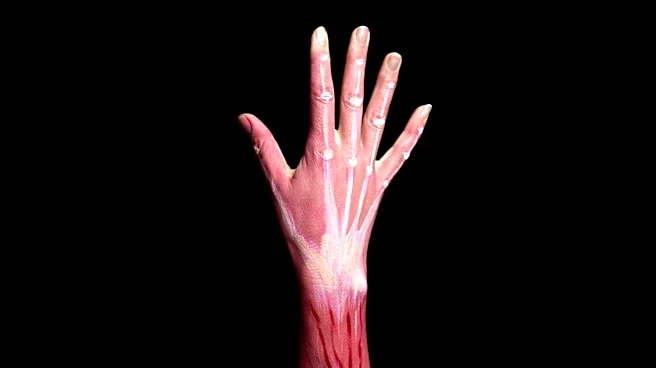
The hand itself contains a number of brevis muscles that are critical for its dexterity. The abductor pollicis brevis muscle, for instance, functions as an abductor of the thumb. The flexor digiti minimi brevis of the hand is responsible for flexing the little finger. The flexor pollicis brevis muscle flexes the thumb, while the palmaris brevis muscle is a thin, quadrilateral muscle located beneath the skin on the ulnar side of the hand. These muscles collectively enable the wide range of precise movements characteristic of the human hand.
Brevis Muscles in the Leg
Moving to the leg, the adductor brevis muscle is a notable example of a brevis muscle in the thigh. This muscle is primarily used for moving the hip, playing a role in adduction, which is the movement of the leg towards the midline of the body. The presence of brevis muscles across different parts of the body underscores their widespread importance in facilitating specific, often short-range, movements that are fundamental to overall bodily function.