








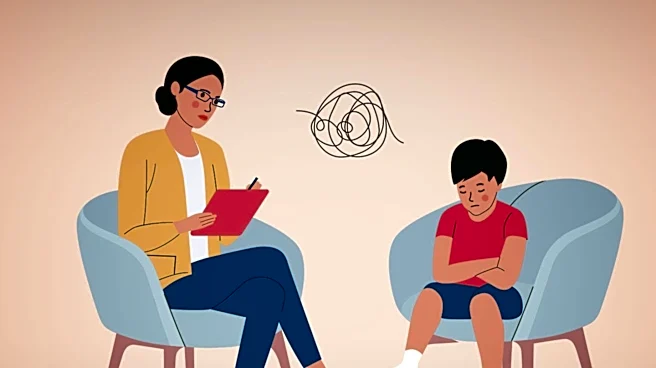

Cognitive Behavioral Therapy (CBT) plays a significant role in anger management by helping individuals understand and change their thought patterns and behaviors related to anger. This article explores how CBT is used in anger management programs and its effectiveness in reducing aggressive behavior and improving emotional control.
Understanding Cognitive Behavioral Therapy
Cognitive Behavioral Therapy is a form of psychotherapy that focuses on identifying and changing negative thought patterns
and behaviors. In the context of anger management, CBT aims to help individuals recognize the triggers of their anger and develop strategies to respond more effectively. By encouraging patients to open up about their emotions and feelings, CBT motivates them to use positive skills to control their anger.
One of the key components of CBT is cognitive restructuring, which involves changing irrational beliefs and thoughts that lead to anger. By interpreting events rationally, individuals can avoid the automatic thoughts that trigger anger. This process helps individuals develop a more balanced perspective and reduces the likelihood of aggressive responses.
Techniques and Effectiveness
CBT incorporates various techniques to help individuals manage their anger. These include relaxation techniques, monitored breathing exercises, and problem-solving strategies. By practicing these techniques, individuals can learn to respond to anger-inducing situations in a more controlled manner.
Studies have shown that combining CBT with other therapies increases the effectiveness of anger management techniques. For example, the use of play therapy alongside CBT has been found to be efficient in tackling anger issues among children. By engaging in activities that promote positive emotions, children can learn to manage their anger more effectively.
Long-Term Benefits of CBT
The long-term benefits of CBT in anger management are significant. By completing a CBT-based anger management program, individuals can experience lasting positive changes in behavior. Successful interventions not only reduce the outward display of aggression but also decrease the internal level of anger.
CBT helps individuals develop better interpersonal and communication skills, which are essential for maintaining healthy relationships. By improving their ability to manage anger, individuals can enhance their overall well-being and reduce the negative impact of anger on their lives.
In conclusion, Cognitive Behavioral Therapy is a valuable tool in anger management programs. By helping individuals understand and change their thought patterns and behaviors, CBT effectively reduces aggressive behavior and improves emotional control. With its long-term benefits, CBT offers individuals the opportunity to lead more balanced and fulfilling lives.