




The greatcoat, a large woolen overcoat, has played a significant role in military history, particularly during the 19th century. Known for its warmth and protection against harsh weather, the greatcoat was an essential part of a soldier's uniform, especially during guard duty, which led to its alternative name, the watchcoat. This article delves into the historical importance of the greatcoat in military attire and its evolution over time.
Military Use in the 19th Century
In the 19th
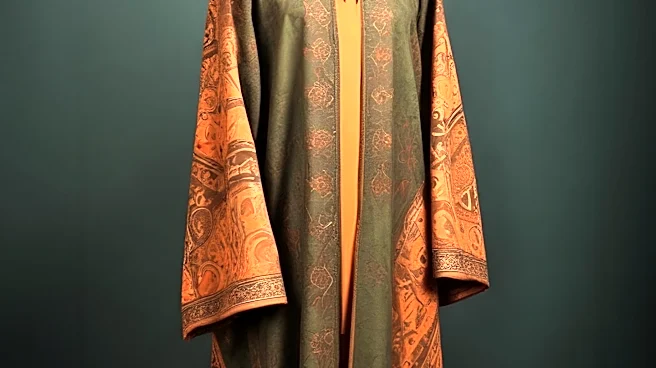
century, the greatcoat was a staple in military uniforms, designed to provide soldiers with warmth and protection against wind and rain. The coat featured a collar that could be turned up and cuffs that could be turned down, offering additional protection for the face and hands. The short rain-cape at the shoulders was particularly useful in repelling rain and shielding soldiers from the wind.
The greatcoat's design was practical for soldiers on watch duty, hence the term watchcoat. Its drape reached below the knee, providing ample coverage, while the short cape extended to the elbow. The coat's capacious external pockets allowed soldiers to carry dry food and other essentials, making it a functional garment for long periods of duty.
Evolution and Fashion Influence
During the Regency era, which spanned from 1795 to 1837, the greatcoat evolved to include several short capes. This design was tailored to the specifications of fit and aesthetic taste, often reflecting the fashion sensibilities of the time. The greatcoat became a symbol of style, with dandies of the era opting for coats that showcased their personal flair.
The Petersham coat, named after Viscount Petersham, is an example of the greatcoat's influence on fashion. It featured the same practical elements as the military greatcoat but was adapted for civilian use, highlighting the garment's versatility and enduring appeal.
The Greatcoat in Russian and Soviet Military
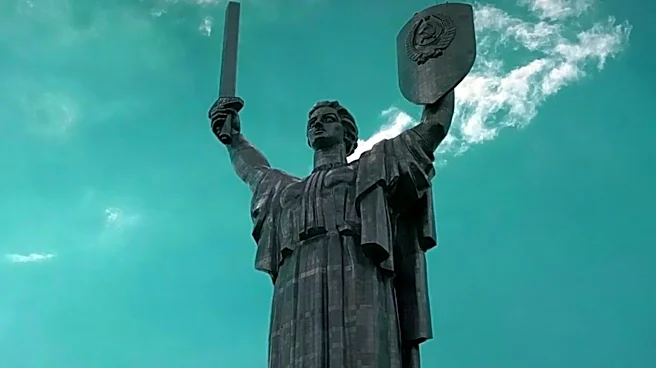
The greatcoat was not only a fixture in European military uniforms but also played a significant role in Russian and Soviet armed forces. From the mid-1760s until the late 1990s, various styles of greatcoats were used as part of standard military uniforms. Known as "shinel" in Russian, these coats were integral to the military attire, providing soldiers with the necessary protection against the harsh Russian climate.
The use of greatcoats in Russian and Soviet military uniforms underscores the garment's importance and adaptability across different regions and eras. Its continued presence in military attire highlights the greatcoat's enduring legacy as a functional and stylish garment.