







Proprioceptive neuromuscular facilitation (PNF) is a therapeutic technique that has evolved significantly since its inception. Developed in the mid-20th century, PNF has become a cornerstone in physiotherapy and rehabilitation, helping patients regain motor control and improve movement patterns. This article delves into the historical development of PNF, highlighting key milestones and the contributions of its founders.
Origins and Development
PNF was developed between 1946
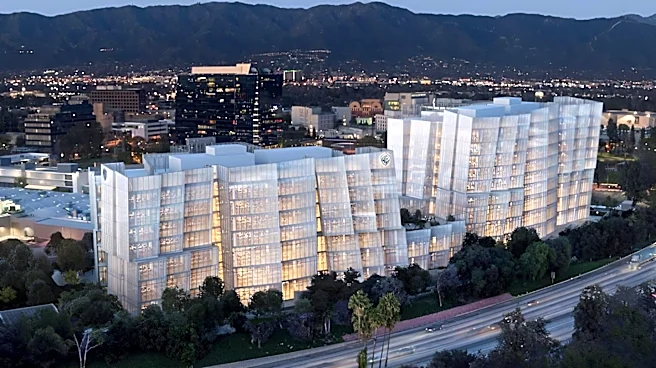
and 1951 by neurophysiologist Herman Kabat and physiotherapist Margaret Knott in Vallejo, California. Their work was initially focused on treating patients with poliomyelitis, a condition that affects motor function. Kabat and Knott's approach was based on neurophysiological principles, aiming to restore healthy movement patterns by stimulating proprioceptors—receptors that provide information about body position and movement.
The technique quickly gained recognition for its effectiveness in improving motor control. Kabat and Knott's collaboration at the Kabat-Kaiser Institute, later known as the Kaiser Foundation Rehabilitation Center, laid the groundwork for PNF's widespread adoption. Their method was pragmatic, building on scientific principles while extending beyond established knowledge to address complex movement disorders.
Expansion and Influence
As PNF demonstrated success in treating poliomyelitis, its application expanded to other medical fields. The technique proved beneficial for patients with various conditions affecting movement, including those recovering from injuries, surgeries, and degenerative diseases. The adaptability of PNF made it a valuable tool for physiotherapists, who sought to optimize and economize movement behavior in their patients.
In the 1980s and 1990s, PNF was further refined by Liselotte Ozarcuk in Germany. Ozarcuk, who trained directly under Knott, enhanced the technique by differentiating movement patterns and treatment methods. Her contributions allowed for more targeted irradiation of movement patterns, particularly those related to walking, which are stored in the central nervous system from early childhood development.
Modern Applications
Today, PNF is utilized across various medical disciplines, reflecting its versatility and effectiveness. The technique's focus on facilitating physiological movement patterns through sensory stimulation remains central to its practice. By engaging proprioceptors, therapists can guide patients toward healthier movement behaviors, aiding in recovery and rehabilitation.
PNF's evolution from a specialized treatment for poliomyelitis to a widely used rehabilitation method underscores its significance in physiotherapy. The technique continues to be a vital component in the therapeutic arsenal, helping patients achieve improved motor function and quality of life.