


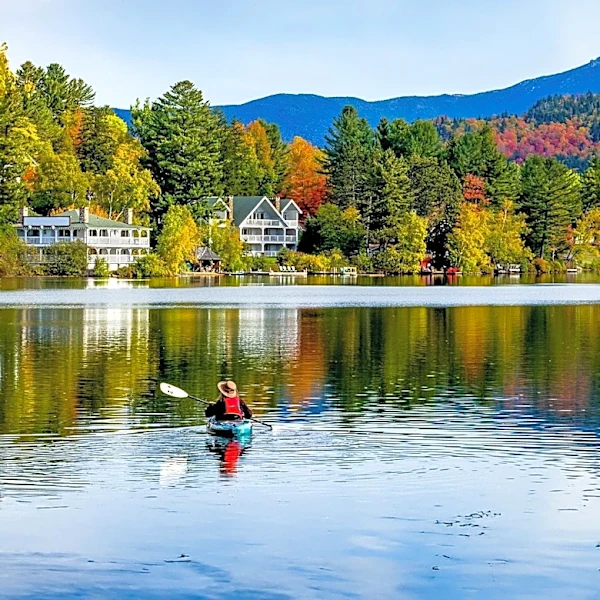







Cuyahoga Valley National Park, nestled between Akron and Cleveland in Northeast Ohio, is a unique blend of natural beauty and cultural heritage. Spanning over 32,000 acres, the park offers a diverse landscape of forests, wetlands, and rolling hills, along with a rich history that reflects the region's industrial past. This article explores the natural and cultural significance of Cuyahoga Valley National Park.
The Natural Landscape of Cuyahoga Valley
Cuyahoga Valley National Park is home
to a variety of ecosystems, including forests, wetlands, and rivers. The park's diverse landscape provides habitat for a wide range of wildlife, from white-tailed deer and river otters to peregrine falcons and bald eagles. The park's waterways, including the Cuyahoga River, are vital to the health of these ecosystems, supporting both aquatic and terrestrial species.
The park's natural beauty is highlighted by its many waterfalls, with Brandywine Falls being the most popular. At 65 feet tall, Brandywine Falls is the tallest waterfall in the park and a favorite spot for visitors. The park also features the Ledges, a series of impressive rock outcroppings formed from Sharon Conglomerate stone, offering stunning views of the surrounding landscape.
Cultural and Historical Significance
Cuyahoga Valley National Park is not only a haven for nature lovers but also a site of cultural and historical importance. The park's history dates back to the Hopewell Culture, which inhabited the area around 200 AD. The park preserves remnants of this ancient culture, including the Everett Mound, a testament to the region's rich archaeological heritage.
The park also reflects the area's industrial past, with the Ohio and Erie Canal Towpath Trail serving as a reminder of the region's role in transportation and commerce. The trail follows the historic route of the Ohio and Erie Canal, which connected Cleveland to the Ohio River, facilitating trade and settlement in the 19th century. Visitors can explore the canal's history through interactive exhibits at the Canal Exploration Center and other visitor centers within the park.
Recreation and Conservation Efforts
Cuyahoga Valley National Park offers a wide range of recreational activities for visitors to enjoy. The park's extensive trail system, including the 20-mile Towpath Trail, is popular for hiking, biking, and running. In the winter, visitors can enjoy skiing and sledding at Kendall Hills, while the Cuyahoga Valley Scenic Railroad offers scenic excursions through the park year-round.
Conservation efforts are a key focus of the park, with initiatives aimed at preserving its natural and cultural resources. The park's management works to protect native species, restore habitats, and maintain the park's historical sites. In 2024, Cuyahoga Valley National Park entered into a "sister park" agreement with Dartmoor National Park in England, highlighting its commitment to international collaboration in conservation efforts.
Cuyahoga Valley National Park is a testament to the beauty and resilience of the natural world, offering visitors a chance to connect with nature and explore the rich history of the region. Its unique blend of natural and cultural attractions makes it a cherished destination for both locals and tourists, providing a sanctuary for wildlife and a living history of Northeast Ohio.