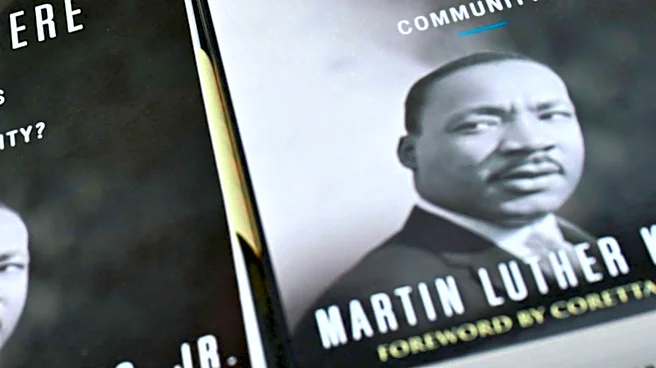







Martin Luther King Jr.'s "I Have a Dream" speech stands as a monumental address in American history, delivered during a pivotal moment in the civil rights movement. On August 28, 1963, King, an American civil rights activist and Baptist minister, spoke to a quarter of a million civil rights supporters from the steps of the Lincoln Memorial in Washington, D.C. This powerful speech called for civil and economic rights and aimed to dismantle legalized
racism across the United States, becoming one of the most famous moments of the era and an iconic piece of American oratory.
A Call for Civil and Economic Rights
The core message of King's speech was a fervent plea for equality, encompassing both civil and economic rights. He articulated a vision where the promises of American democracy, freedom, and justice would be extended to all citizens, regardless of race. The setting itself, the March on Washington for Jobs and Freedom, underscored the dual nature of these demands, highlighting that true freedom could not exist without economic opportunity and an end to systemic discrimination.
King's address resonated deeply with the aspirations of a nation grappling with racial injustice. His words painted a vivid picture of a future where racial harmony and equality were not just ideals but tangible realities. The speech served as a powerful catalyst, galvanizing support for legislative changes that would eventually lead to the Civil Rights Act of 1964 and the Voting Rights Act of 1965, landmark achievements in the struggle for civil rights.
The Iconic Delivery and Its Impact
The delivery of the "I Have a Dream" speech was as impactful as its content. Standing before a massive crowd, King's oratorical skill transformed the event into a historic spectacle. His voice, amplified and broadcast, carried his message of hope and determination far beyond the National Mall, reaching millions across the country and around the world. The phrase "I Have a Dream" itself, repeated with increasing fervor, became a rallying cry for justice and a symbol of the movement's aspirations.
The speech's immediate impact was profound, energizing the civil rights movement and drawing unprecedented attention to its cause. Its enduring legacy is evident in its continued relevance as a touchstone for discussions on civil rights, equality, and social justice. Even decades later, King's words continue to inspire individuals and movements advocating for human rights and dignity, solidifying its place not just in American history, but in the global narrative of freedom struggles.