







Tourism in Louisiana represents a significant economic force, contributing an impressive $18 billion to the state's economy. This substantial industry is overseen by the Lieutenant Governor, who serves as the chief tourism official and commissioner of the Louisiana Department of Culture, Recreation & Tourism. This department plays a crucial role in managing not only the tourism sector but also the state's parks, museums, and historic sites, highlighting
the broad scope of its responsibilities in preserving and promoting Louisiana's unique heritage and attractions.
The Role of the Lieutenant Governor and the Department
The Lieutenant Governor holds a pivotal position as Louisiana's ambassador, specifically in their capacity as Commissioner of the Department of Culture, Recreation and Tourism. This role is not merely ceremonial; it involves direct oversight of the state's vast tourism industry. The department itself is a state agency operating within the Office of the Lieutenant Governor, structured into six distinct offices: the Office of the Secretary, Office of State Library, Office of State Museum, Office of State Parks, Office of Cultural Development, and the Office of Tourism.
The creation of this significant position and department was established through legislative acts, specifically Article IV, Section 1(A), 6, and 15 of the Louisiana State Constitution of 1974, along with Louisiana Revised Statute 49:202.1, and Acts 124 and 13 Special Session of 1986. This legislative foundation underscores the state's long-standing commitment to fostering and regulating its cultural and recreational assets for economic benefit. The incumbent Lieutenant Governor, Billy Nungesser, won a second term in 2019, continuing his leadership over this vital sector.
Goals and Impact of the Office of Tourism
The Office of Tourism, a key component of the Louisiana Department of Culture, Recreation & Tourism, has a clearly defined mission. Its stated goal is to provide opportunities for education, conservation, interpretation, and recreation. Beyond these cultural and environmental objectives, the office also aims to generate jobs and stimulate economic growth through its tourism initiatives. This dual focus on cultural enrichment and economic development demonstrates a comprehensive approach to tourism management.
By attracting visitors to various attractions, from state parks to museums and historic sites, the department directly contributes to job creation across numerous sectors, including hospitality, transportation, and retail. The economic growth spurred by tourism benefits local communities throughout the state, reinforcing Louisiana's position as a desirable destination. The $18 billion industry is a testament to the successful implementation of these goals, showcasing the tangible economic benefits derived from a well-managed and promoted tourism sector.
Diverse Attractions Driving the Economy
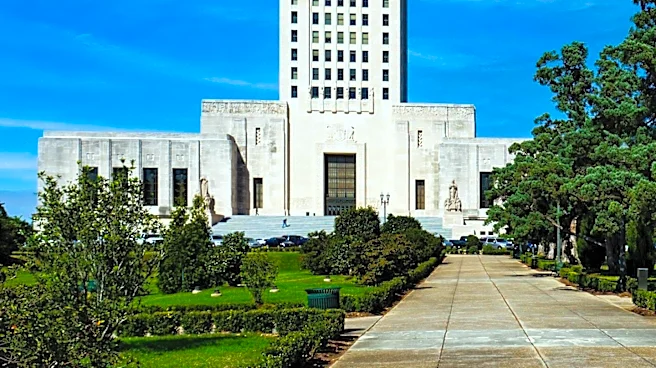
Louisiana's tourism industry is bolstered by a wide array of attractions that cater to diverse interests. While specific attractions like the Louisiana State Capitol, Baton Rouge Zoo, and Blue Bayou Waterpark are mentioned, the overall category of "Tourist attractions in Louisiana" encompasses a broad spectrum. This includes natural wonders such as Elmer's Island Refuge, State Wildlife Refuge, and various Louisiana Wildlife Management Areas, which appeal to eco-tourists and nature enthusiasts.
Cultural and historical sites also play a significant role, drawing visitors interested in the state's rich heritage. The combination of natural beauty, historical depth, and recreational opportunities ensures a steady flow of tourists, underpinning the $18 billion economic contribution. The department's management of these diverse sites is crucial for maintaining their appeal and ensuring their continued contribution to the state's economy and cultural preservation.