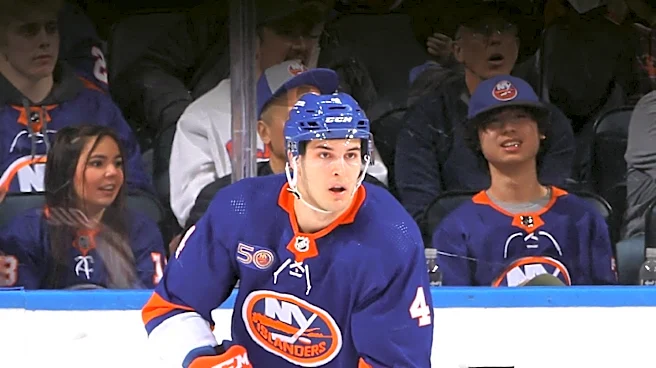






The year 1972 marked a significant moment for professional hockey on Long Island with the establishment of the New York Islanders. This wasn't just a simple expansion; it was a strategic move by the National Hockey League (NHL) to counter a rival league, the World Hockey Association (WHA). The WHA had plans to place its New York team, the New York Raiders, in the newly constructed Nassau Coliseum in Nassau County. However, county officials did not
view the WHA as a major league and sought to prevent the Raiders from using the venue. This situation created an opening for the NHL to secure its presence in the region.
A Strategic Counter-Move Against the WHA
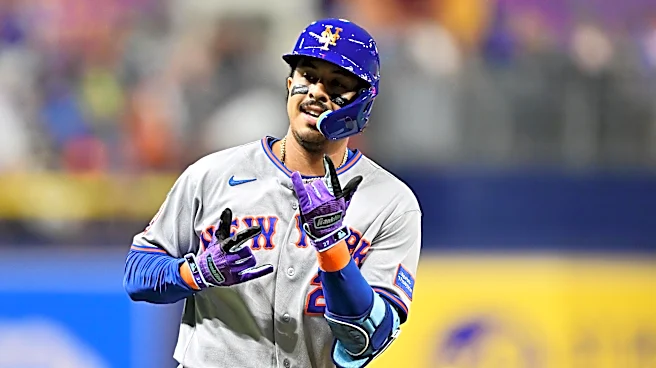
To block the WHA's entry into Nassau Coliseum, William Shea, a figure instrumental in bringing Major League Baseball's New York Mets to the area a decade earlier, was enlisted. Shea's involvement was crucial in persuading the NHL to grant a franchise to Long Island. Although Shea had a history of working with upstart rival leagues, his ultimate goal in these endeavors was often to encourage established leagues to grant second franchises to New York, as had been the case with the Mets. The NHL, not wanting additional competition in the New York area, quickly awarded a Long Island-based franchise to clothing manufacturer Roy Boe, who also owned the American Basketball Association's New York Nets.
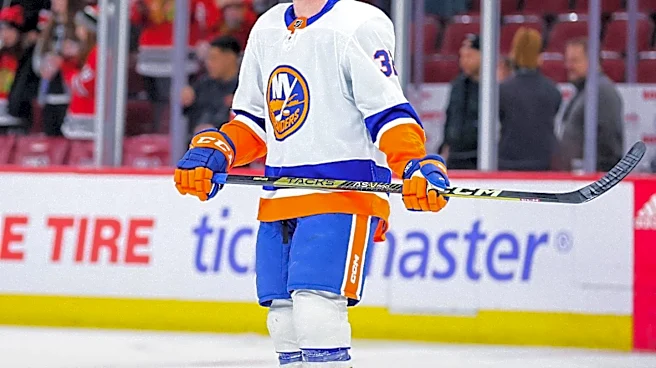
This rapid decision by the NHL came despite the league having expanded to 14 teams just two years prior. A second expansion franchise, the Atlanta Flames, was awarded simultaneously to ensure a balanced schedule. The new Long Island team was widely expected to adopt the name "Long Island Ducks," which had been used by an Eastern Hockey League franchise. However, the more geographically expansive "New York Islanders" name came as a surprise, reflecting a broader representation of New York City and State, with their nickname and logo denoting their arena location and fan base, which also extended to the boroughs, upstate, Connecticut, and other parts of the metro area.
Building the Inaugural Roster and Early Challenges
The 1972 NHL expansion draft, held on June 6, 1972, was a critical step in forming the Islanders' inaugural roster. This draft, along with one for the Atlanta Flames, aimed to fill the teams with players from existing clubs. Each expansion team was tasked with selecting twenty-one players: two goaltenders and nineteen skaters, with a total of 42 players chosen across both new franchises. Existing teams could protect two goalies and fifteen skaters, and first-year professionals were exempt. A maximum of three players, including one goaltender, could be lost by an existing team.
The Islanders made several key acquisitions during this draft, including goaltender Billy Smith, who would become a cornerstone of the team. Smith went on to win 304 games for the Islanders as the starting goaltender from 1972 to 1989, including 88 playoff wins, and retired as the all-time leader in playoff wins. Other notable early players included veteran forward Ed Westfall, acquired from the Boston Bruins, and junior league star Billy Harris, selected in the 1972 NHL amateur draft. Unlike many expansion teams, General Manager Bill Torrey opted for a long-term strategy, focusing on building through the draft rather than trading for many veterans, a tactic that often proved disastrous for other teams. This approach meant the Islanders' first season, 1972–73, was challenging, with the young and inexperienced team posting a 12–60–6 record, one of the worst in NHL history, and failing to qualify for the playoffs. Despite this, the team did manage an upset victory against the defending Stanley Cup champion Boston Bruins, winning 9–7 on January 18.