






Core muscles are central to maintaining posture and facilitating movement. These muscles, located in the belly and mid- and lower back, are responsible for stabilizing the body and aligning the spine, ribs, and pelvis. This article examines the impact of core muscles on posture and movement, highlighting their importance in everyday life.
Core Muscles and Posture
The core muscles play a significant role in determining a person's posture. They align the spine and pelvis, providing
support for the axial skeleton. Proper alignment is crucial for maintaining a healthy posture, which can prevent back pain and other musculoskeletal issues.
A strong core helps resist forces that can disrupt posture, such as gravity and external pressure. By stabilizing the body, the core muscles ensure that the spine remains in a neutral position, reducing the risk of injury and discomfort.
Core Muscles in Movement
Movement, whether static or dynamic, relies heavily on core strength. Static movements, such as standing or sitting, require the core to maintain alignment and resist unchanging forces. Dynamic movements, like walking or running, involve the core in absorbing and adapting to changing forces.
During dynamic activities, the core muscles work to balance the body and provide a stable base for the limbs to move. This stability is essential for achieving momentum and preventing falls, especially on uneven surfaces.
Enhancing Core Strength
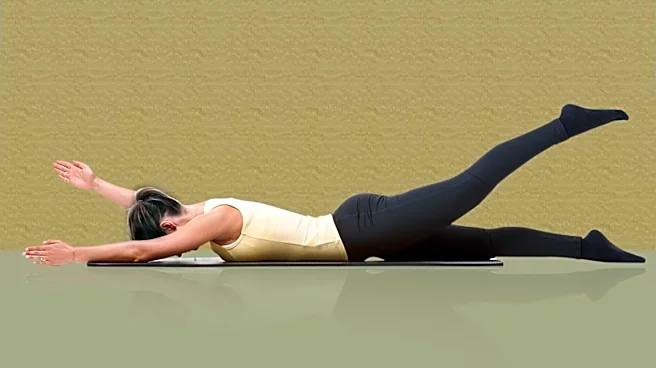
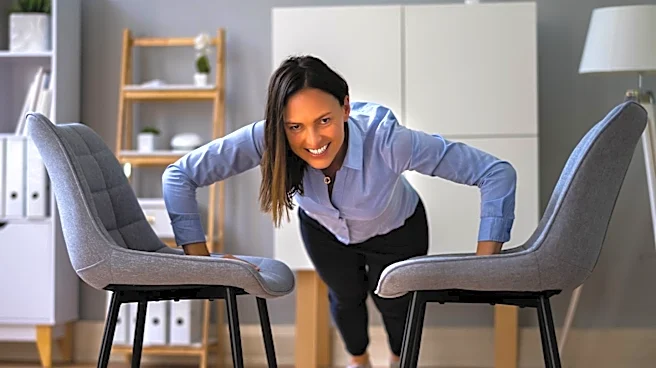
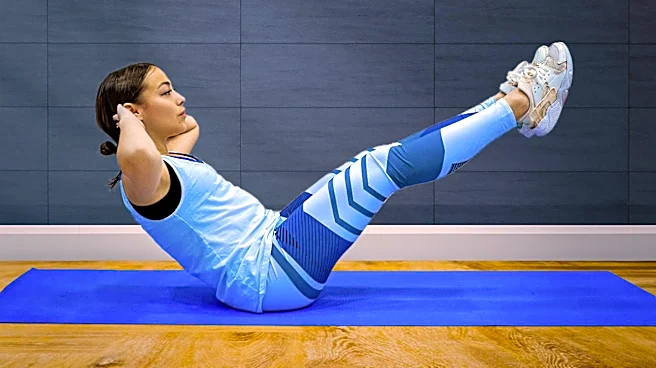
Strengthening the core is vital for improving posture and movement. Exercises that target the core, such as planks and medicine ball workouts, can enhance core stability and alignment. These exercises focus on engaging the core muscles to resist both static and dynamic forces effectively.
Improved core strength can lead to better balance, coordination, and overall body mechanics. By focusing on core exercises, individuals can enhance their posture and movement, reducing the risk of injury and improving overall health.
In summary, core muscles are key to maintaining posture and facilitating movement. By understanding their role in stability and alignment, individuals can focus on strengthening their core to improve their quality of life.