


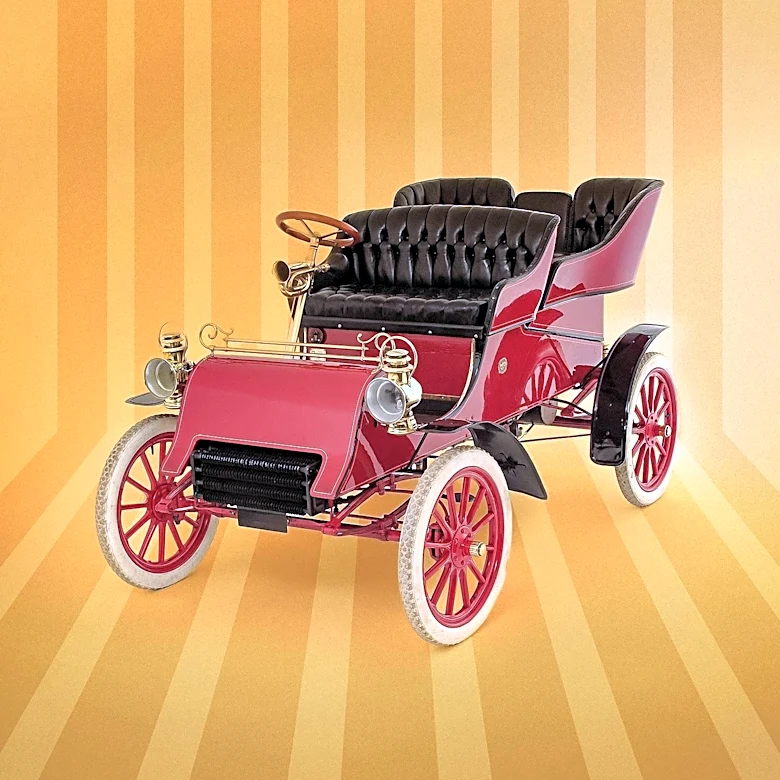


The history of trams in Helsinki, Finland, offers a compelling case study of urban transportation evolution, from its horse-drawn beginnings to its modern electric network. The city's tram system has undergone significant transformations, reflecting technological advancements, changing urban needs, and shifts in public policy. From initial proposals in the 1870s to its peak in the 1930s and subsequent modernizations, Helsinki's trams have played a crucial
role in shaping the city's public transport landscape. This journey illustrates the challenges and successes of integrating and adapting tram services over more than a century.
Early Days: Horse-Drawn Trams and Electrification Challenges
The first proposals for a tram system in Helsinki emerged in the 1870s but were initially unsuccessful. Public transport in the city began in 1888 with horse-drawn omnibuses. By 1889, Helsingin Omnibussiosakeyhtiö (HRO) acquired the right to construct tram lines. Despite considering electric traction, financial constraints and the city council's negative stance on electric trams led to the decision to use horse-drawn trams. The new system, built to a track gauge of 1,000 mm, began test traffic in December 1890 and officially opened in June 1891, with a network length of 8.5 kilometers.The capacity of the horse tram system quickly proved insufficient. However, the conversion to electrified trams was postponed until the cost of electrification became more feasible. This slow pace of electrification caused internal conflict within HRO. By 1897, HRO finally received permission to construct an electrified tramway. The contract was awarded to Germany-based O.L. Kummer, who was responsible for construction, electrification, and even operating the system for up to three years to ensure quality. Electrification was largely completed by 1900, though one short horse-drawn line persisted until 1901.
Growth, Apex, and Post-War Shifts
Following electrification, the number of lines in Helsinki grew to four, though all remained single-track initially. Colors were introduced as line identifiers during this period. Within a few years, the single-track lines proved inadequate for passenger demand. After a change in company ownership in 1906, HRO gained permission to convert its network to double tracks, which significantly improved capacity. The tram network reached its apex in 1930, covering a larger area than ever before or after (as of 2008), with 14 lines in operation. By 1939, the system facilitated 61 million annual journeys, highlighting its critical role in the city's daily life.After World War II, in late 1944, the City of Helsinki acquired HRO, transforming it into a municipal transport authority named Helsingin Kaupungin Liikennelaitos (HKL). This change had little immediate effect on tram operations. Trams remained the primary public transport system until the 1950s and 1960s, when rapid urban sprawl and the rise of private cars led to new suburbs being served mainly by buses and commuter trains. During the 1940s and 1950s, plans for a large light rail network were drawn, with new infrastructure like the Kulosaari bridge (1956) even featuring reserved space for tram tracks.
Modernization, Decline, and Revival
During the 1960s, plans for expanding the tram network were put on hold as resources shifted towards metro and bus development. There were even plans to terminate the tram network by the year 2000. In 1969, the Helsinki city council decided that tramlines would be confined to the inner city, with the metro serving suburban areas, and the tram system would be phased out no earlier than 2000. This decision necessitated acquiring new trams to replace older models, leading to the acquisition of articulated trams from Valmet in 1973–1975, which were initially planned to be the last trams for Helsinki.However, the decision to terminate the tram system was reconsidered and eventually reversed in the early 1970s. In 1976, the tram network expanded for the first time since 1955 with a new connection to Itä-Pasila. Further expansions followed in 1980 and 1985. The mid-1980s saw a radical reorganization of tram lines. The 1990s brought wide-ranging plans for further expansion and improvement, including orbital light rail lines and extensions to various new residential and office developments, signaling a renewed commitment to tram transport in Helsinki.