







Hurricane Dennis was a formidable force during the 2005 Atlantic hurricane season, leaving a trail of destruction in its wake. As the fourth named storm and the first major hurricane of the season, Dennis set records for early-season hurricane activity. It caused significant damage and loss of life in both the Caribbean and the United States, highlighting the devastating power of natural disasters.
Destruction in the Caribbean
Hurricane Dennis first made its presence felt in the
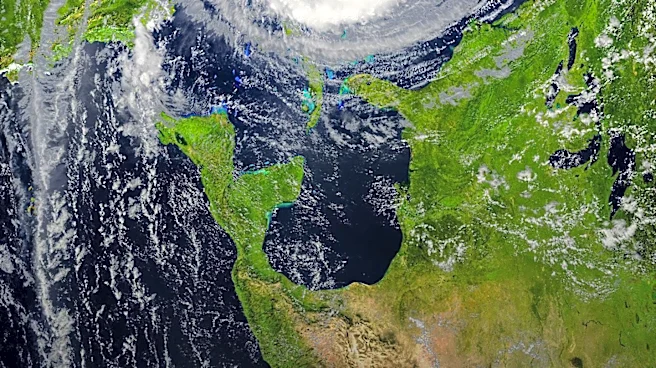
Caribbean, where it wreaked havoc on several islands. The storm hit Cuba twice as a Category 4 hurricane, bringing with it powerful winds and heavy rainfall. The impact on the Caribbean was severe, with at least half of the estimated $3-5 billion in damages occurring in this region. The storm's intensity and the resulting destruction underscored the vulnerability of the Caribbean islands to such natural disasters.
The loss of life in the Caribbean was also significant, with many of the 71 total fatalities attributed to the storm occurring in this region. The combination of strong winds, flooding, and infrastructure damage contributed to the high death toll. The aftermath of Hurricane Dennis in the Caribbean served as a stark reminder of the need for effective disaster preparedness and response strategies in hurricane-prone areas.
Impact on the United States
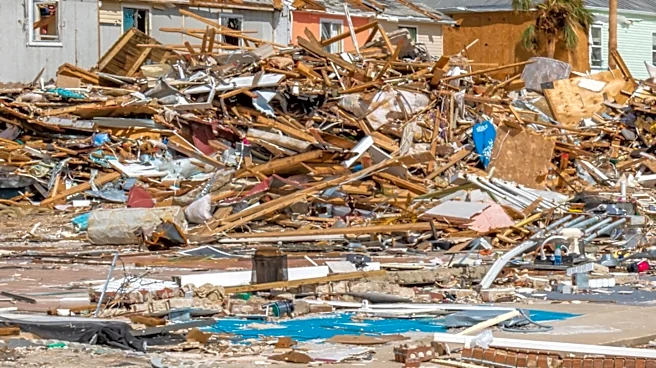
After causing devastation in the Caribbean, Hurricane Dennis made landfall in Florida as a Category 3 hurricane. The storm brought with it strong winds and heavy rains, leading to widespread damage across the southeastern United States. The impact was particularly severe in Florida, where the storm's landfall caused significant property damage and disrupted the lives of many residents.
The financial cost of Hurricane Dennis in the United States was substantial, contributing to the overall damage estimate of $3-5 billion. The storm's impact on infrastructure, homes, and businesses highlighted the economic vulnerability of regions in the path of hurricanes. The need for robust building codes and infrastructure resilience became evident in the wake of the storm.
Lessons Learned
Hurricane Dennis served as a powerful reminder of the destructive potential of hurricanes and the importance of preparedness. The storm's impact on both the Caribbean and the United States highlighted the need for effective disaster response and recovery efforts. In the years following Dennis, there has been an increased focus on improving hurricane forecasting, emergency management, and community resilience.
The lessons learned from Hurricane Dennis continue to inform efforts to mitigate the impact of future storms. By understanding the vulnerabilities exposed by Dennis, communities can better prepare for the challenges posed by hurricanes and work towards minimizing the loss of life and property in future events.