

Torque vectoring is a sophisticated technology used in modern vehicles to enhance handling and stability. By adjusting the distribution of power to each wheel, torque vectoring systems improve a vehicle's grip on the road, especially during acceleration and cornering. This article explores how torque vectoring works and the benefits it offers to drivers.
The Mechanics of Torque Vectoring
At its core, torque vectoring involves varying the torque delivered to each wheel of a vehicle.
Traditional differentials distribute power evenly, but torque vectoring systems use electronic controls to adjust this distribution dynamically. This allows for more precise handling, as the system can increase or decrease torque to individual wheels based on driving conditions.
In a typical torque vectoring system, sensors monitor various parameters such as wheel speed, steering angle, and yaw rate. The electronic control unit processes this data and determines the optimal torque distribution. By doing so, the system can counteract understeer or oversteer, providing a more stable and controlled driving experience.
Benefits of Torque Vectoring
One of the primary benefits of torque vectoring is improved vehicle handling. By distributing torque to the wheels with the most grip, the system enhances traction and stability. This is particularly beneficial in adverse weather conditions, where maintaining control can be challenging.
Torque vectoring also contributes to better cornering performance. By increasing torque to the outer wheels during a turn, the system helps the vehicle maintain its intended path, reducing the risk of skidding or losing control. This not only improves safety but also enhances the driving experience, making it more enjoyable for enthusiasts.
Applications in Modern Vehicles
Torque vectoring is commonly found in all-wheel drive vehicles, where it plays a crucial role in distributing power between the front and rear wheels. However, it is also used in some front-wheel drive vehicles to improve handling. As technology advances, torque vectoring systems have become more sophisticated, offering even greater precision and control.
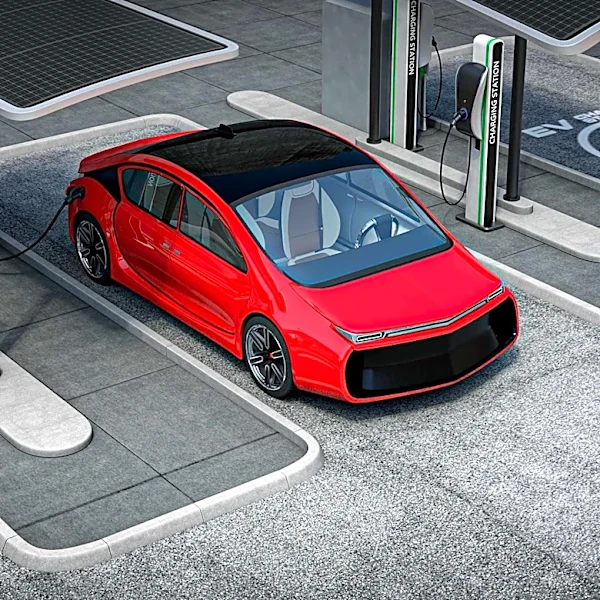
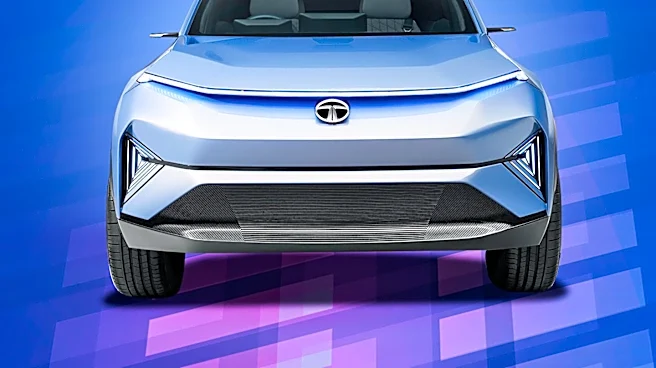
In electric vehicles, torque vectoring can be achieved through the use of multiple electric motors. This allows for even more precise control over power distribution, as each motor can be independently controlled. As a result, electric vehicles with torque vectoring offer exceptional handling and performance.
Overall, torque vectoring is a valuable technology that enhances vehicle performance and safety. By providing better traction and stability, it allows drivers to enjoy a more controlled and enjoyable driving experience, regardless of the conditions.