





The Washington quarter, a key component of U.S. currency, has undergone significant material changes since its introduction in 1932. Originally minted in silver, the quarter transitioned to a copper-nickel clad composition in 1965. These changes reflect broader economic trends and challenges, including fluctuations in silver prices and the need for more durable and cost-effective coinage materials.
The Silver Era
When the Washington quarter was first introduced,
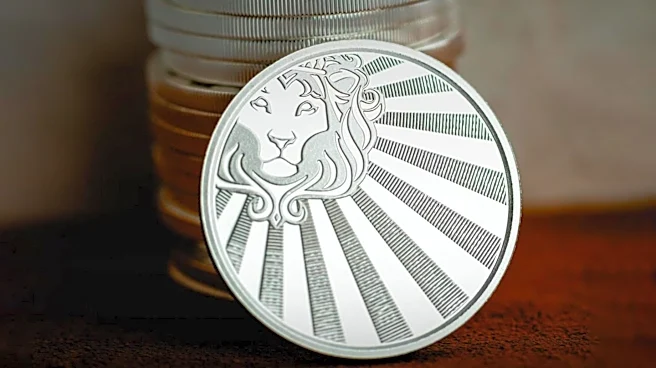
it was composed of 90% silver and 10% copper, weighing 6.25 grams. This composition was standard for U.S. coins at the time, reflecting the historical use of precious metals in currency. The silver content not only gave the quarter intrinsic value but also aligned with the public's expectations for durable and valuable coinage.
However, the reliance on silver posed challenges as the metal's market price began to rise. By the early 1960s, the value of the silver in the quarter was approaching its face value, leading to concerns about hoarding and shortages. The U.S. Mint faced the challenge of maintaining a stable coin supply while addressing the economic realities of rising silver prices.
Transition to Clad Coinage
In response to these challenges, the Coinage Act of 1965 was enacted, marking a significant shift in U.S. coinage. The act eliminated silver from the quarter, replacing it with a copper-nickel clad composition. This new material consisted of layers of copper-nickel on each side of a pure copper core, providing a more cost-effective and durable alternative to silver.
The transition to clad coinage was not without controversy, as some viewed it as a departure from traditional values. However, the change was necessary to ensure the continued circulation of quarters and other coins. The new composition allowed the Mint to produce coins more efficiently and at a lower cost, addressing the economic pressures of the time.
Economic Implications and Legacy
The shift from silver to clad coinage had lasting economic implications. By reducing the reliance on precious metals, the U.S. Mint was able to stabilize coin production and prevent shortages. The change also reflected a broader trend towards more practical and sustainable materials in currency production.
Today, the Washington quarter continues to be minted in its copper-nickel clad composition, a testament to the success of the 1965 transition. While the coin's material has changed, its role as a vital part of U.S. currency remains unchanged. The Washington quarter's journey from silver to clad highlights the dynamic relationship between currency and economic forces, illustrating the need for adaptability in the face of changing market conditions.