


Harvard University's commencement ceremonies are steeped in centuries of tradition, evolving from a modest gathering in 1642 to a multi-day event that now confers thousands of degrees annually. What began with nine degrees awarded by what was then called Harvard Colledge has grown significantly, with approximately 1,700 undergraduate and 5,000 advanced degrees granted each year from the university's various graduate and professional schools. These
ceremonies, which shifted from late summer to late June in the nineteenth century and are now held at the end of May, are characterized by a blend of solemnity, academic pageantry, and unique rituals that reflect Harvard's long history.
The Dual Ceremony Structure
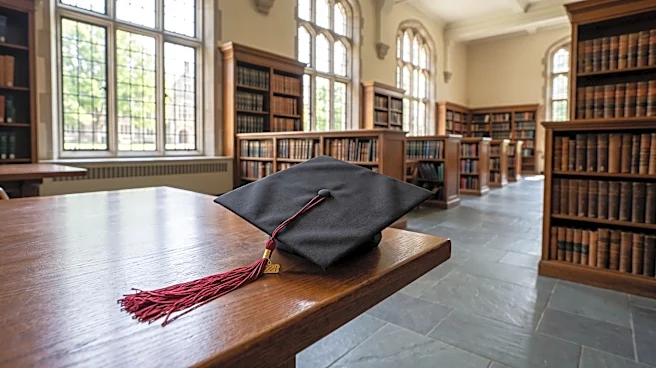
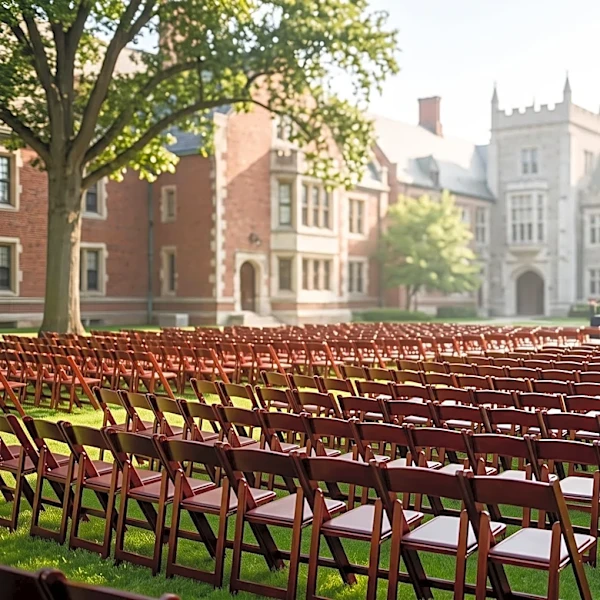
As of 2024, each degree candidate at Harvard participates in two distinct ceremonies on Commencement Day. The first is the Morning Exercises, a large-scale event where degrees are conferred verbally en masse. This grand assembly takes place in the central green of Harvard Yard, known as Tercentenary Theatre, with the dais positioned before the steps of Memorial Church and facing Widener Library. This event draws a vast audience of about 32,000 people, including university officials, civic dignitaries, faculty, honorees, alumni, and the families and guests of the graduates. Graduates and other participants wear academic regalia, such as caps and gowns, for this significant occasion.
Following the Morning Exercises, a more intimate midday ceremony is held. At this event, individual diplomas are physically presented to the graduates. These smaller gatherings occur at the candidate's specific professional or graduate school, or within their undergraduate House. This two-part structure ensures both a grand, unifying celebration for the entire university and a more personal recognition within the graduates' immediate academic communities, often accompanied by a luncheon.
The Academic Parade and Distinguished Guests
A central and highly traditional element of the Morning Exercises is the Academic Parade, a meticulously ordered procession of participants. The parade begins with candidates for graduate and professional degrees, followed by alumni and alumnae. Undergraduate degree candidates enter next, traditionally removing their headgear as they pass the John Harvard statue. The procession culminates with the President's Procession, which includes a remarkable array of dignitaries and officials.
This final procession features the sheriffs of Middlesex and Suffolk counties, who historically made a grand entrance into the Yard through the Johnston Gate, riding white horses and dressed in morning coats, top hats, and striped pants, complete with swords and scabbards. While the Governor of the Commonwealth of Massachusetts, who is also part of this procession, no longer arrives on horseback with armed escorts as of 1971, the sheriffs' traditional entry underscores the deep historical roots of the ceremony. Other notable participants in the President's Procession include the University Marshal, escorting the President and any former Harvard presidents, the Fellows of Harvard College, the Board of Overseers, candidates for honorary degrees (whose identities are revealed only on Commencement Day), deans, vice-presidents, faculty, and various other university officers, former officials, and distinguished guests, including clergy from the "Old Cambridge" churches and consuls to Boston.
Unique Rituals and Historical Quirks
Beyond the formal ceremonies, Harvard commencements are marked by several unusual and long-standing traditions. One such tradition involves the Harvard president's occupancy of the Holyoke Chair during the proceedings. This "bizarre" sixteenth-century contraption is famously prone to tipping over, adding a touch of historical eccentricity to the formal event. Another cherished ritual is the welcoming of newly minted bachelors to "the fellowship of educated men and women," a phrase that encapsulates the university's enduring mission.
Commencement week itself is a series of events leading up to the main day, including receptions, dinners, concerts, literary exercises, and a baccalaureate service, alongside Class Day events. Class Day, a celebration for the graduating class, traditionally takes place the day before Commencement. Many upperclass Houses also have their own preliminary rituals. For instance, at Lowell House, a bagpiper rouses seniors at 6:15 AM for a 6:30 AM breakfast with members of the Senior Common Room, after which they process with members of Eliot House to Memorial Church for a 7:45 AM chapel service. These diverse rituals, from the grand parade to the early morning bagpipes, collectively weave the rich tapestry of Harvard's commencement traditions.