






Waffles are a culinary delight that combines art and science in their creation. From the choice of ingredients to the type of waffle iron used, each element plays a crucial role in determining the final product's texture, flavor, and appearance. This article explores the techniques and ingredients involved in making various types of waffles, highlighting the nuances that make each variety unique.
Ingredients and Techniques
The foundation of any waffle is its batter, which can
be made from either leavened or unleavened dough. Traditional waffle recipes often call for flour, eggs, milk, and butter, with variations in leavening agents such as yeast or baking powder. The choice of leavening agent significantly impacts the waffle's texture, with yeast providing a lighter, airier result, while baking powder offers a denser, cake-like consistency.
In addition to the basic ingredients, flavorings such as vanilla, cinnamon, or nutmeg can be added to enhance the waffle's taste. Some recipes incorporate unique ingredients like beer yeast, cardamom, or even chocolate, adding depth and complexity to the flavor profile.
The Role of the Waffle Iron
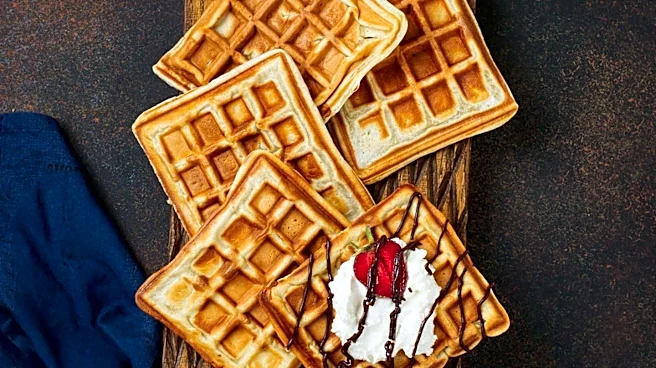
The waffle iron is an essential tool in the waffle-making process, responsible for creating the characteristic grid pattern and ensuring even cooking. Waffle irons come in various shapes and sizes, each designed to produce a specific type of waffle. For example, Belgian waffles are typically made using deeper irons, resulting in larger pockets that can hold more toppings.
The temperature and cooking time also play a crucial role in achieving the desired texture. A hotter iron will produce a crispier exterior, while a lower temperature may result in a softer waffle. Mastering the art of waffle-making requires careful attention to these variables, ensuring a perfect balance between a crispy exterior and a tender interior.
Regional Variations
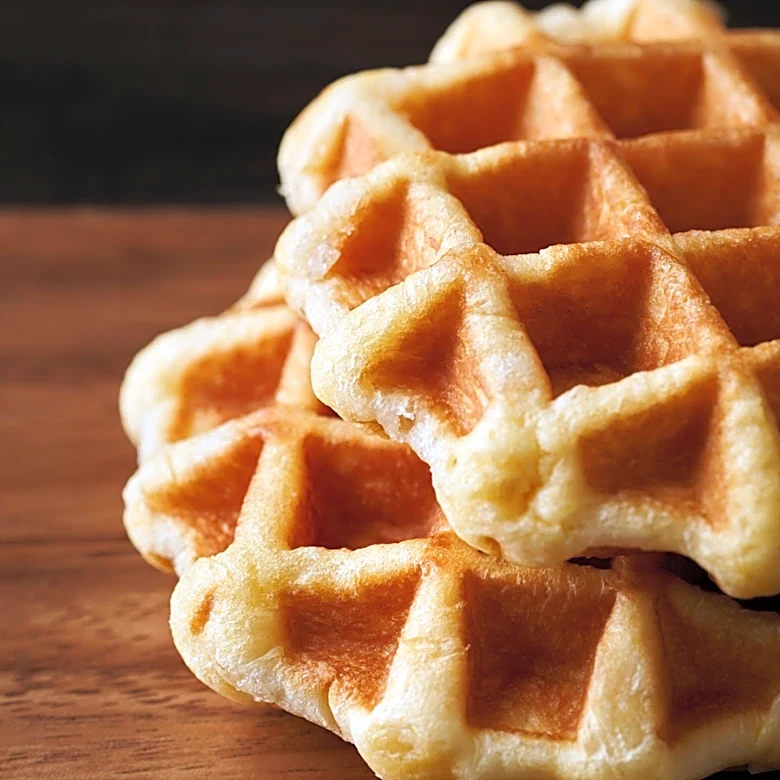
Different regions have developed their unique waffle styles, each with distinct characteristics. In Belgium, the Brussels waffle is known for its light, crispy texture, achieved by folding whipped egg whites into the batter. The Liège waffle, on the other hand, is denser and sweeter, made from a brioche-like dough with chunks of pearl sugar that caramelize during cooking.
In Hong Kong, waffles are often larger and rounder, with a soft, chewy texture. These waffles are typically served as a snack, with various spreads and fillings. In Vietnam, pandan waffles are made with coconut milk and pandan flavoring, resulting in a vibrant green color and unique taste.
The art and science of making waffles lie in the careful selection of ingredients, techniques, and tools. By understanding these elements, one can create a wide range of delicious waffles, each with its unique flavor and texture.