




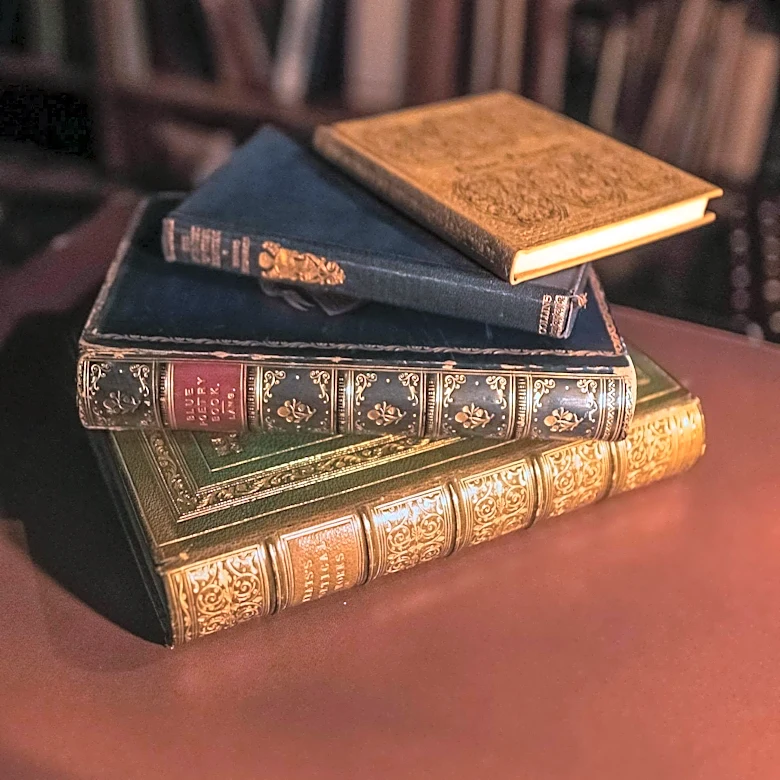



Phillis Wheatley's 1773 collection, *Poems on Various Subjects, Religious and Moral*, offers a fascinating glimpse into the intellectual and spiritual world of its author. Comprising 39 poems, the volume showcases Wheatley's diverse interests, her deep religious convictions, and her engagement with classical and contemporary literary traditions. Far from being a simple collection, it reveals a poet who was an avid student of the Bible, deeply influenced
by neoclassical writers, and keenly observant of the significant figures and events of her day. The themes explored in her work range from eulogies for prominent individuals to reflections on virtue, nature, and the human condition.
Influences and Literary Style
Wheatley was an ardent student of the Bible, and its narratives and moral teachings profoundly shaped her poetic output. Beyond religious texts, she held a particular admiration for the works of Alexander Pope (1688–1744), a leading British neoclassical writer. Pope's influence is evident in Wheatley's style, particularly in her use of heroic couplets and her engagement with classical themes. Through Pope's translation of Homer, she also developed a strong appreciation for Greek mythology, which she skillfully wove into her own compositions.
This blend of biblical inspiration, neoclassical form, and classical mythology provided a rich foundation for her poetry. Her work often features elevated language, formal structures, and a didactic tone, characteristic of the literary tastes of the 18th century. She frequently employed personification, classical allusions, and rhetorical questions to convey her messages, demonstrating a sophisticated command of poetic craft that belied her enslaved status and limited formal education.
Notable Poems and Their Subjects
The collection includes a variety of poems, many of which are eulogistic or celebratory, focusing on important figures of her time. One of her most famous works,