





The Perry Expedition, led by Commodore Matthew Perry, was not only a diplomatic mission but also a carefully orchestrated military maneuver. The expedition's strategic decisions played a crucial role in its success, ultimately leading to the opening of Japan to international trade. By examining the expedition's strategic maneuvers, we can gain insight into how Perry effectively used military presence and negotiation to achieve his objectives.
Establishing a Foothold in the Ryukyu Islands
Before
heading directly to Japan, Perry made a strategic stop at Okinawa in the Ryukyu Islands. This decision was based on the islands' unique political situation, as they were a vassal state of both Japan and China. By securing a port and depot in Okinawa, Perry established a strategic base for his fleet, allowing for resupply and regrouping. This move demonstrated Perry's foresight in ensuring logistical support for his mission.
The interactions with the Ryukyu authorities were conducted with a mix of diplomacy and subtle pressure. Perry's ability to negotiate the use of local resources without resorting to force set a precedent for his later dealings with Japan. The establishment of a coal depot in Okinawa was particularly significant, as it provided a crucial refueling point for American steamships operating in the Pacific.
The Show of Force in Tokyo Bay
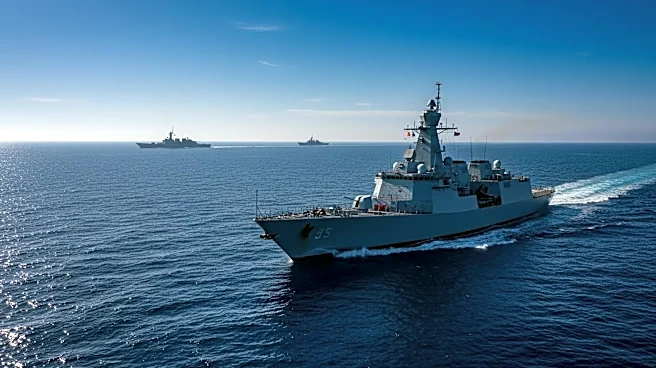
Perry's arrival in Tokyo Bay with the "Black Ships" was a calculated display of military power. The heavily armed warships served as a visual representation of the United States' capabilities and intentions. This show of force was designed to compel the Japanese to engage in negotiations, as the presence of the ships was both intimidating and awe-inspiring.
The strategic decision to remain aboard the ships for a week before initiating contact with Japanese officials added to the mystique and tension surrounding the expedition. Perry's eventual landing, accompanied by a large contingent of marines and a ceremonial display, further emphasized the seriousness of his mission. This approach effectively communicated the potential consequences of refusing American demands.
The Role of Diplomacy and Threats
While the Perry Expedition is often remembered for its military aspects, diplomacy played an equally important role. Perry's negotiations with Japanese officials were conducted with a balance of firmness and respect. He made it clear that he would return with a larger fleet if necessary, underscoring the potential for military action.
The combination of military presence and diplomatic negotiation ultimately led to the signing of the Convention of Kanagawa. This treaty opened Japanese ports to American ships and marked the beginning of Japan's engagement with the international community. Perry's strategic maneuvers, blending force with diplomacy, were instrumental in achieving the expedition's goals and reshaping Japan's future.