





Sun tanning, the darkening of skin in response to ultraviolet light, is a complex biological process involving the body's natural defense mechanisms. This phenomenon can be triggered by exposure to natural sunlight or artificial UV radiation, such as that found in indoor tanning beds. At its core, tanning is a protective response, where the skin attempts to shield itself from the potentially harmful effects of ultraviolet radiation.
The process begins
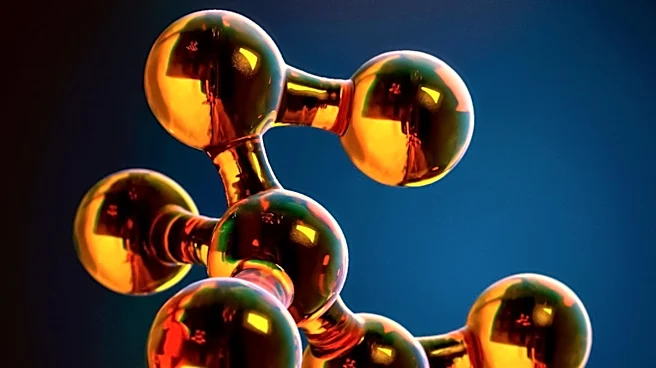
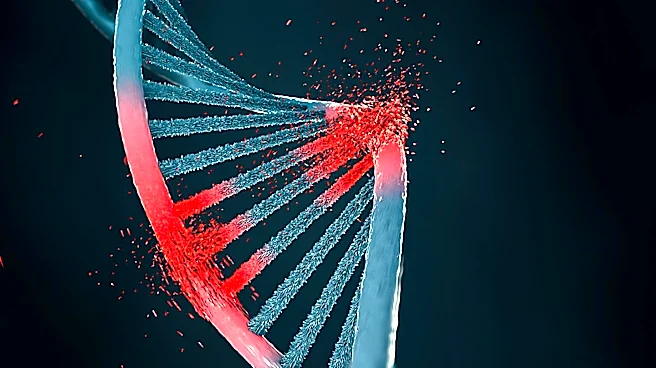
with the formation of CPD-DNA damage, which is a direct form of DNA damage. This damage, in turn, stimulates an increased production of melanin. Melanin, a pigment found in human skin, is responsible for the color change associated with tanning. It exists in various forms, including pheomelanin, which is reddish-brown, and eumelanin, a very dark brown pigment. The primary role of melanin is to protect the body by absorbing ultraviolet radiation, thereby mitigating further damage.
The Role of Melanin in Skin Protection
Melanin is crucial for protecting the skin from the sun's harmful rays. When the skin is exposed to excessive UV radiation, it can lead to sunburn and other forms of direct and indirect DNA damage. In response, the body naturally works to combat and repair this damage. A key part of this repair and protection strategy is the creation and release of more melanin into the skin's cells. This increased melanin production is what causes the skin to darken, resulting in a tan.
The tanning process can be initiated by different frequencies of UV radiation, including UVA, UVB, or a combination of both. The intensity of this radiation is commonly measured by the UV Index. While both UVA and UVB can trigger tanning, UVB is more likely to cause sunburn as a result of overexposure. The underlying mechanism for both sunburn and increased melanogenesis (melanin production) is identical, both being caused by the direct DNA damage in the form of CPDs.
DNA Damage and the Tanning Response
The formation of CPD-DNA damage is a critical initial step in the tanning process. This direct DNA damage acts as a signal, prompting the skin to ramp up its melanin production. The increased melanin then serves as a natural sunscreen, absorbing UV radiation and helping to prevent further cellular harm. This protective mechanism highlights the body's intricate ability to respond to environmental stressors.
While tanning is a natural protective response, it's important to note that it is also associated with certain risks. Sun tanning is thought, though not definitively proven, to contribute to the formation of moles and some types of skin cancer. This underscores the dual nature of the tanning process: a protective measure that also carries potential health implications. Virtually all sunscreens reduce tanning in accordance with their SPF, indicating their effectiveness in blocking the UV radiation that initiates this process.
Vitamin D Production and Tanning
Beyond its role in protection and pigmentation, sun tanning also plays a part in vitamin D production in human skin. Exposure to UV radiation is essential for the synthesis of vitamin D, a vital nutrient for bone health and other bodily functions. Studies have shown that tanning using artificial sources of ultraviolet light, such as tanning beds, can lead to higher blood concentrations of vitamin D3 and higher hip bone density. This suggests a beneficial aspect of UV exposure, even as the risks associated with DNA damage and potential skin cancer remain a concern. The balance between these effects is a key consideration in understanding the overall impact of sun tanning on human health.