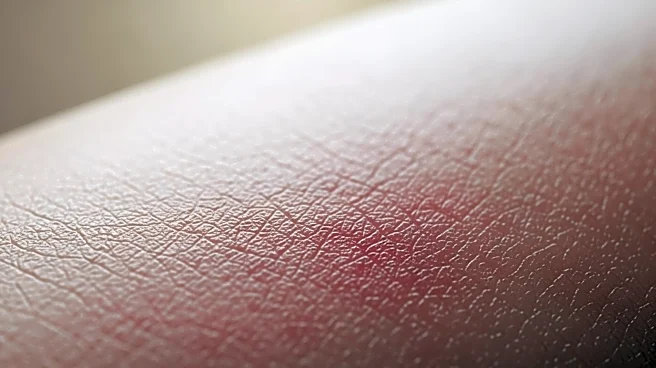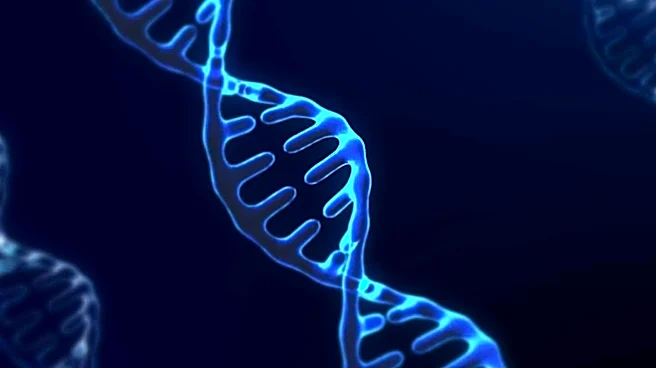








Keratosis pilaris is a common skin condition with a genetic component that affects the skin's hair follicles. Known for its characteristic small, rough bumps, this condition is autosomal-dominant, meaning it can be inherited from just one parent carrying the gene. While the exact cause of keratosis pilaris is not fully understood, genetic factors play a significant role in its development.
Genetic Factors and Keratin Production
The condition is believed to result from abnormalities in the
deposition of keratin, a protective protein in the skin. Variants of the ABCA12 gene have been associated with keratosis pilaris, suggesting a genetic link. Keratin overproduction leads to the formation of hard plugs that trap hair follicles, causing the characteristic bumps.
Keratosis pilaris is more prevalent in individuals with atopic diseases, such as allergic rhinitis and atopic dermatitis, indicating a possible genetic predisposition. The condition is also associated with other inherited genetic syndromes, including those related to intellectual disability and certain myopathies.
Inherited Syndromes and Keratosis Pilaris
Several rarer types of keratosis pilaris are part of inherited genetic syndromes. These include neuro-cardio-facial-cutaneous syndromes, RASopathies, and ectodermal dysplasias. The genetic basis of these syndromes often involves mutations that affect keratin production and follicular keratinization.
Keratosis pilaris atrophicans, a subtype of the condition, is linked to mutations in the desmoglein 4 gene. This autosomal recessive form of keratosis pilaris atrophicans highlights the complex genetic interactions that can lead to variations in the condition's presentation.
Diagnosis and Genetic Considerations
Physicians can diagnose keratosis pilaris based on the appearance of the skin, often considering family history and the presence of symptoms. Dermoscopy may be used to confirm the diagnosis and assess treatment response. While a skin biopsy is not typically required, it can reveal characteristics such as perifollicular inflammatory infiltration and keratotic plugs.
Understanding the genetic basis of keratosis pilaris can aid in developing targeted treatments and managing the condition more effectively. Although there is no cure, recognizing the genetic factors involved can help individuals and healthcare providers better understand the condition's progression and potential treatment options.