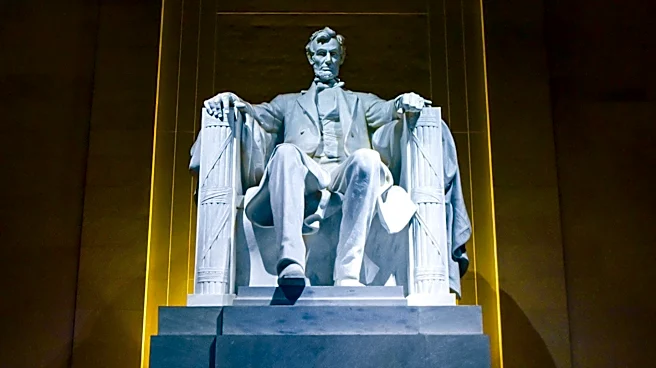








The assassination of President Abraham Lincoln on April 14, 1865, sent shockwaves throughout the United States and the world. As the nation grappled with the loss of its leader, the reactions and repercussions of this tragic event were profound and far-reaching. This article examines the immediate aftermath of Lincoln's assassination and its impact on the country and beyond.
National Grief and Mourning
The news of Lincoln's assassination spread rapidly, plunging the nation into
a state of mourning. Lincoln was a symbol of hope and unity for many Americans, and his death was seen as a devastating blow to the country's efforts to heal after the Civil War. The President's body was transported by funeral train through several states, allowing thousands of mourners to pay their respects. The journey culminated in his burial in Springfield, Illinois, where he was laid to rest.
The assassination also led to heightened tensions and fears of further violence. The swift capture and execution of the conspirators were seen as necessary measures to restore order and justice. However, the use of a military tribunal and the execution of Mary Surratt, in particular, sparked controversy and debate about the fairness of the proceedings.
International Reactions
Lincoln's assassination was met with widespread condemnation from around the world. Foreign governments issued proclamations and declared periods of mourning, reflecting the global impact of his leadership and the shock of his untimely death. Leaders from various countries expressed their sorrow and admiration for Lincoln, recognizing his efforts to preserve the Union and end slavery.
The international response underscored Lincoln's significance as a global figure and the respect he commanded beyond the borders of the United States. His assassination was not only a national tragedy but also a loss felt by many around the world who had looked to him as a champion of freedom and equality.
The Path to Reconstruction
In the wake of Lincoln's death, the United States faced the daunting task of continuing the process of Reconstruction without his guidance. Vice President Andrew Johnson assumed the presidency and was tasked with leading the nation through this critical period. Johnson's approach to Reconstruction differed from Lincoln's, leading to political conflicts and challenges in reuniting the country.
The assassination of Abraham Lincoln marked a turning point in American history, shaping the course of the nation's future. The mourning and reflection that followed his death highlighted the deep divisions that remained in the country and the challenges that lay ahead in achieving true reconciliation and unity.
The legacy of Lincoln's leadership and the impact of his assassination continue to resonate, serving as a reminder of the enduring struggle for justice and equality in the United States.