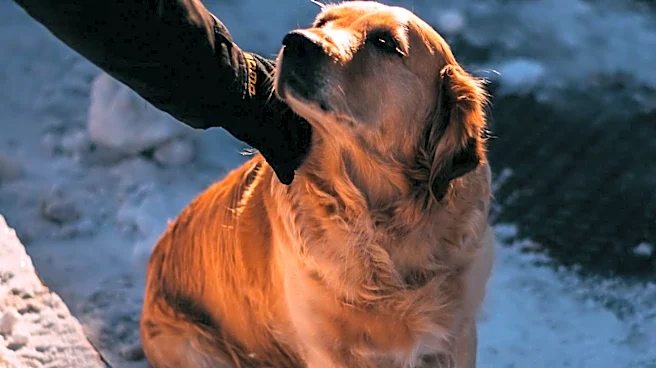








Understanding the body language of dogs is crucial for effective communication between canines and humans. Dogs express a wide range of emotions and intentions through their bodily movements, facial expressions, and postures. Unlike human communication, which heavily relies on verbal language, dogs primarily use non-verbal cues. By learning to interpret these signals, humans can better understand a dog's emotional state, recognize warning signs, and foster
a more harmonious relationship with their canine companions. This visual language involves everything from the subtle flick of an ear to the overall stance of the body.
Properly interpreting a dog's body language can not only help decipher what a dog is trying to communicate but also recognize warning signs before an aggressive encounter, potentially decreasing the number of dog bite occurrences. Often, people struggle to identify the body motions of a fearful or anxious dog, mistakenly associating them with behaviors of approachable or relaxed dogs. This misinterpretation can lead to adverse outcomes, highlighting the importance of education in canine body language.
The Expressive Head: Ears, Eyes, and Mouth
The position and movement of a dog's head, ears, eyes, and mouth are key indicators of its emotional state. An upright head can signify attentiveness, dominance, or aggression, while a lowered head often suggests fear or submission. A moving head might indicate playfulness. Ears, too, are highly expressive; upright and forward-facing ears can signal dominance or aggression, whereas ears pulled back and downward typically indicate fear or submission. However, it's important to note that breeds with drooping, cropped, or permanently erect ears may have limited ability to use them for emotional display.
Eye contact is another powerful visual cue. Prolonged staring can be a sign of aggression, especially when combined with a stiff body. Conversely, avoiding eye contact or looking down is a submissive behavior. The mouth also conveys a range of emotions. Lips curled back to expose clenched teeth are a clear warning of aggression, while an open mouth with unclenched teeth often indicates a playful or relaxed mood. A tilted head, though its exact reason is debated, is often seen when a dog is listening intently or anticipating a reward.
Tail Tales and Body Postures
The tail is perhaps one of the most recognized, yet often misunderstood, elements of canine body language. While a wagging tail is commonly associated with happiness, its meaning is nuanced and depends on its height, speed, and context. A high, stiff wag can indicate dominance or aggression, serving as a warning. A tail held low between the hind legs, often stationary, is a strong indicator of fear or submission. A free and vigorous wag, however, generally signals a friendly or playful disposition. Similar to ears, tail positions can be less effective communicators in breeds with short, tightly curled, or docked tails.
Analyzing a dog's body as a whole unit provides a comprehensive understanding of its emotions. A standing, upright position can indicate dominance, or aggression if the body is stiff. A withdrawn body posture with weight shifted to the hind end suggests fear. Active submission is shown by keeping the body low to the ground, while passive submission involves lying on the ground with the underbelly exposed. A play bow, where a dog lowers its forelimbs and chest while raising its hind end and wagging its tail, is a clear invitation to play, often followed by other playful actions like bouncing movements and face pawing.
Recognizing Stress and Aggression
Accurately assessing a dog's body language is beneficial for humans to react appropriately to a dog's emotions and intentions, fostering successful companionship. Ignoring these signals can pose a threat to both humans and dogs. For instance, an anxious or fearful dog will display a tense body posture, backward ear position, head turning, or lip smacking, with the tail often tucked between the hind legs. An aggressive dog will exhibit a stiff tail (which may wag slowly), a forward ear position, and a wrinkled nose. Recognizing these warning signs is critical to prevent escalation. Misreading these signals, especially by children, is a common factor in dog bite incidents. Visual guides, such as the "ladder of aggression," illustrate how stress signals can escalate from subtle cues like nose licking and yawning to overt aggression like snapping and biting, emphasizing the importance of early recognition and appropriate responses.