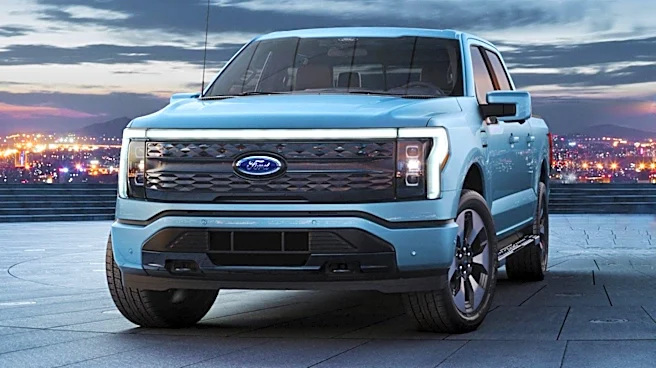

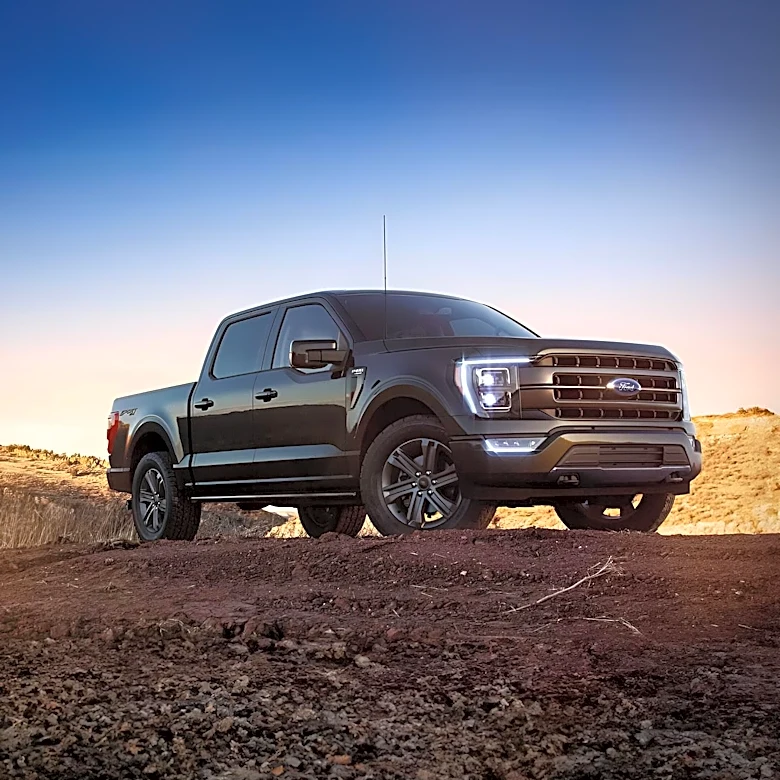



The Ford F-Series has been a cornerstone of the American automotive industry since its debut in 1948. Known for its durability and versatility, the F-Series has continually adapted to meet the evolving needs of consumers. This article explores the innovative features and adaptations that have defined the F-Series over the years, highlighting its impact on the pickup truck market.
Early Innovations: Setting the Standard
When the Ford F-Series was first introduced in 1948, it set a new standard
for pickup trucks. The first generation, known as the Ford Bonus-Built, was built on a dedicated truck platform, a departure from the car-based designs of the past. This innovation allowed for a more robust and versatile vehicle, capable of handling a variety of tasks.
The second generation, launched in 1953, introduced a new model nomenclature and expanded the lineup to include the F-100, F-250, and F-350. This generation also featured increased dimensions and improved engines, setting the stage for future innovations. In 1959, Ford introduced factory four-wheel-drive pickups, further enhancing the F-Series' capabilities.
Technological Advancements: Embracing Change
The F-Series continued to evolve with the introduction of the fourth generation in 1961. This generation offered an optional unibody design, integrating the cab and bed into a single structure. Although the unibody was eventually discontinued, it demonstrated Ford's willingness to experiment with new ideas.
In 1965, the F-Series introduced the "Twin I-Beam" front suspension, a significant advancement that improved ride quality and handling. This innovation was a testament to Ford's commitment to enhancing the driving experience. The sixth generation, launched in 1973, featured front disc brakes and increased use of galvanized steel, further modernizing the F-Series.
Modern Features: Leading the Way
The seventh generation, introduced in 1980, marked a major redesign with improved aerodynamics and fuel efficiency. This generation also saw the introduction of fuel-injected engines, making the F-Series the first American pickup truck line sold without a carbureted engine option.
The tenth generation, launched in 1997, featured a more contemporary design and the introduction of the SuperCrew cab configuration. This innovation provided additional space and comfort for passengers, appealing to a broader range of consumers. The thirteenth generation, introduced in 2015, marked a significant shift with the extensive use of aluminum to reduce curb weight. This generation also introduced advanced safety features and driver assistance technologies, solidifying the F-Series' position as a leader in the pickup truck market.
Conclusion
The Ford F-Series has consistently pushed the boundaries of innovation and adaptation, setting new standards for the pickup truck industry. From its early days as a utilitarian workhorse to its current status as a technologically advanced vehicle, the F-Series has remained at the forefront of automotive innovation. As Ford continues to develop new features and technologies, the F-Series is poised to maintain its legacy of excellence and adaptability for years to come.