






UV filters are compounds, mixtures, or materials designed to block or absorb ultraviolet (UV) light. These filters are used in various applications, from sunscreens to optical devices, to protect against UV radiation. Understanding the science behind UV filters reveals their importance in both everyday products and specialized technologies.
How UV Filters Work
UV filters function by blocking or absorbing UV light, preventing it from reaching sensitive surfaces or materials.
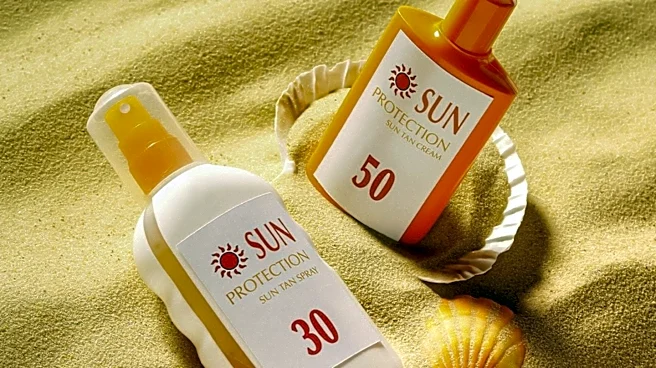
In sunscreens, chemical UV filters are used to protect the skin from sunburn and other UV-related damage. These filters vary in concentration, typically ranging from 0.5% to 10%, and sometimes reaching up to 25%.
The effectiveness of UV filters depends on their ability to absorb or reflect UV radiation. Ethylhexyl methoxycinnamate (EHMC) is a common UVB filter that absorbs UVB rays, preventing them from penetrating the skin. This absorption process helps reduce the risk of sunburn and long-term skin damage, making UV filters a vital component of sun protection products.
Applications Beyond Sunscreens
While UV filters are widely used in sunscreens, their applications extend beyond skincare. In photography, UV filters are used to coat glass discs fitted to camera lenses, protecting sensitive hardware from UV light. This application is particularly important for older types of photographic film, which were highly sensitive to UV light and prone to producing hazy images.
Modern digital cameras are less sensitive to UV wavelengths, but UV filters remain useful for enhancing image quality. By filtering out shorter UV wavelengths, these filters help produce clearer and more accurate photographs. Additionally, UV filters can prevent lens flare and protect against lens contamination, making them a valuable tool for photographers.
Environmental and Health Considerations
The widespread use of UV filters has raised concerns about their environmental and health impacts. EHMC, for example, has been found in aquatic organisms, suggesting its potential to accumulate in the food chain. This accumulation poses risks to marine ecosystems, as EHMC has been linked to coral bleaching.
From a health perspective, EHMC has estrogenic properties that can affect reproductive and neurological development in animal studies. Despite these concerns, UV filters continue to be used due to their protective benefits. Ongoing research aims to develop safer alternatives that offer effective UV protection without adverse environmental or health effects.