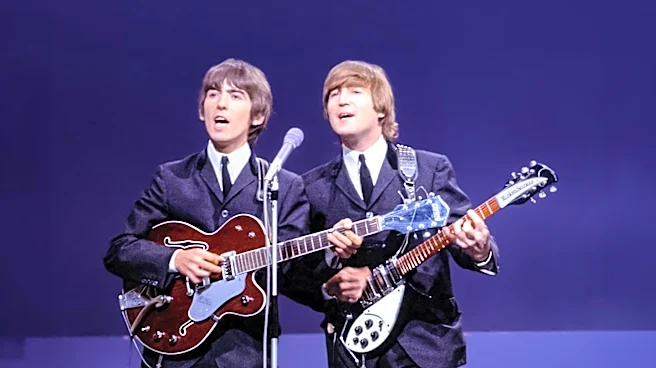





The Beatles' 1966 U.S. tour was not just a series of concerts; it was a cultural phenomenon that reflected the changing dynamics of the 1960s. As the band navigated through controversies and challenges, their tour became a symbol of the evolving relationship between music, politics, and society. This tour marked a pivotal moment in the Beatles' career, showcasing their influence on the cultural landscape and their role in the burgeoning counterculture
movement.
The Changing Audience
During the 1966 U.S. tour, the Beatles noticed a shift in their audience demographics. John Lennon and George Harrison observed that their American audiences included more young males than before, a change they attributed to the band's musical growth on albums like "Rubber Soul" and "Revolver." This shift was significant as it indicated the Beatles' ability to appeal to both sexes, helping to codify a new youth movement in the U.S.
The reduced screaming at concerts was seen as a positive development by the band, allowing them to focus more on their music rather than the hysteria of Beatlemania. This change in audience behavior reflected the broader cultural shifts of the 1960s, where music became a medium for expressing social and political ideas. The Beatles' ability to attract a diverse audience was a testament to their evolving artistry and the impact of their music.
Political Statements and Counterculture
The Beatles' 1966 U.S. tour was marked by their willingness to speak out on political issues, particularly their opposition to the Vietnam War. John Lennon and George Harrison's outspoken views aligned them with the emerging counterculture, which was characterized by a rejection of traditional values and an embrace of social change. Their stance on the war was controversial, but it reinforced their image as artists who were unafraid to challenge the status quo.
The band's political statements during the tour contributed to their legacy as cultural icons. Their willingness to address contentious issues resonated with the youth of the time, who were increasingly questioning authority and seeking new forms of expression. The Beatles' role in the counterculture movement was significant, as they used their platform to advocate for peace and social justice.
The End of an Era
The 1966 U.S. tour marked the end of the Beatles' live performances, as they decided to focus on studio work. This decision was influenced by the challenges they faced during the tour, including the controversies and the logistical difficulties of performing live. The band's final concert at Candlestick Park in San Francisco was a poignant farewell to their touring career.
The end of the Beatles' live performances signaled a shift in their artistic direction, as they began to explore new musical possibilities in the studio. This transition was reflective of the broader changes in the music industry, where artists were increasingly using studio technology to push creative boundaries. The Beatles' 1966 U.S. tour was a turning point in their career, marking the end of an era and the beginning of a new chapter in their musical journey.