








In-flight movies have come a long way since their inception, transforming the passenger experience on long flights. The journey began in 1961 when TWA introduced the first in-flight movie on a flight from New York to Los Angeles. This innovation marked the beginning of a new era in air travel, where entertainment became an integral part of the flying experience. Over the years, technological advancements have significantly enhanced the way passengers
enjoy movies in the sky.
The Birth of In-Flight Movies
The concept of in-flight movies was first realized in 1961 by Trans World Airlines (TWA). On July 19, 1961, TWA premiered the film "By Love Possessed" starring Lana Turner to its first-class passengers. This marked the first time a movie was shown on a commercial flight, setting a precedent for other airlines to follow. Initially, these movies were shown on large screens, and the selection was limited to a single film per flight. Despite these limitations, the introduction of in-flight movies was a significant milestone in enhancing passenger comfort and entertainment.
Technological Advancements
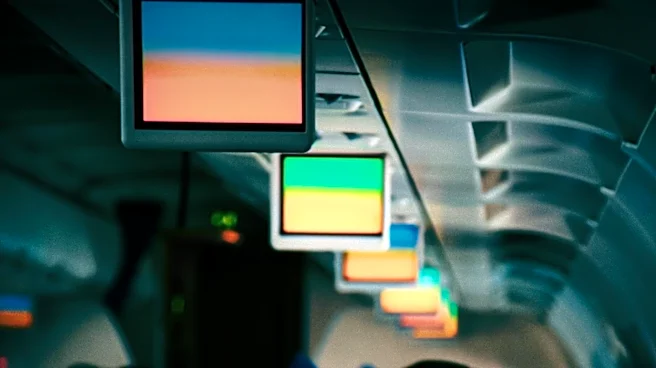
As technology advanced, so did the capabilities of in-flight entertainment systems. The 1990s saw a shift from large communal screens to personal display screens, allowing passengers to have a more personalized viewing experience. This change was driven by the demand for better in-flight entertainment options. The introduction of Audio-Video on Demand (AVOD) systems further revolutionized in-flight movies. AVOD systems allow passengers to pause, rewind, fast-forward, or stop a movie, providing a level of interactivity that was previously unavailable. This technology also enabled passengers to choose from a variety of movies stored in the aircraft's computer system, offering a more diverse selection.
Modern In-Flight Entertainment
Today, in-flight entertainment systems continue to evolve with the integration of high-speed internet and connectivity options. Passengers can now use their own devices to access a wide range of entertainment options, including movies, TV shows, and music. This shift towards Bring Your Own Device (BYOD) systems reflects the growing trend of personalization in air travel. Airlines are increasingly investing in advanced in-flight entertainment and connectivity (IFEC) systems to meet the expectations of modern travelers. These systems not only enhance the passenger experience but also offer additional services such as meal ordering and shopping, making air travel more convenient and enjoyable.
In conclusion, the evolution of in-flight movies from a single film shown on a large screen to interactive, personalized entertainment options has significantly transformed the flying experience. As technology continues to advance, the future of in-flight entertainment promises even more exciting developments.