






The Twist dance, a cultural phenomenon that swept across America in the 1960s, has a rich history that traces back to the 19th century. This dance, characterized by its distinctive pelvic movements, became a symbol of youthful rebellion and freedom. Popularized by Chubby Checker's hit song "The Twist," it marked a significant shift in dance culture, influencing generations and evolving into modern dance styles like twerking.
Origins and Early Influences
The name "twist" for dancing
dates back to the 19th century, with its roots in a pelvic dance motion that came to America from the Congo during slavery. This motion was initially part of early blackface minstrelsy, with banjo player Joel Walker Sweeney's "Vine Twist" being one of the hit songs. The dance evolved through various forms, including the "Mess Around," described in Perry Bradford's 1912 hit "Messin' Around," which involved grinding the hips.
In the early 20th century, the twist was part of the black dance crazes, with blues singer Bo Carter recording "Twist It Babe" in 1931. The lyrics of these songs often used the twist as a metaphor for sex, highlighting its provocative nature. By the late 1930s, Jelly Roll Morton sang about the "double twist" in his "Winin' Boy Blues," further embedding the dance in American culture.
The Rise of the Twist
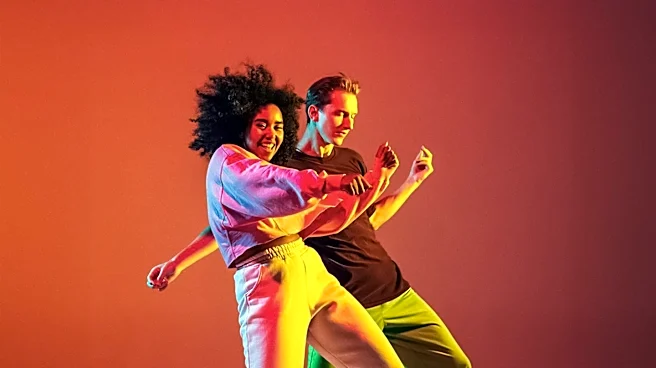
The simple dance known as the Twist emerged in the late 1950s among teenagers, gaining national attention when Chubby Checker performed it on The Dick Clark Show in 1960. Unlike traditional dances, the Twist allowed dancers to move independently, with minimal foot movement and a focus on the upper body and hips. This freedom resonated with the youth, who embraced the dance as a form of self-expression.
Chubby Checker's version of "The Twist" became a massive hit, reaching the top of the charts and sparking a dance craze. The dance's popularity was further fueled by its appearance on television and in movies, making it a staple at parties and social gatherings. The Twist's influence extended beyond dance, impacting fashion and music, as artists incorporated its style into their performances.
Legacy and Modern Influence
The Twist's legacy is evident in its influence on modern dance styles, particularly twerking. Like the Twist, twerking involves similar hip movements and has become a cultural phenomenon in its own right. The dance's ability to adapt and evolve demonstrates its lasting impact on American culture.
Today, the Twist is remembered as a pivotal moment in dance history, symbolizing a break from tradition and the embrace of individuality. Its journey from a 19th-century pelvic motion to a 1960s dance craze highlights the dynamic nature of cultural expression and the power of dance to unite and inspire.