



The Great New York City Fire of 1845 is remembered not only for its widespread destruction but also for the dramatic explosion that occurred during the blaze. This explosion, which took place in a warehouse on Broad Street, played a crucial role in the fire's spread and the extent of the damage. This article examines the events leading up to the explosion, its immediate impact, and the subsequent investigation.
The Warehouse Explosion
The fire began in a whale oil and candle
manufacturing establishment in Lower Manhattan and quickly spread to nearby wooden structures. Within the first two hours, the fire reached a large multi-story warehouse occupied by Crocker & Warren on Broad Street. This warehouse stored a significant quantity of saltpeter, a highly combustible material.
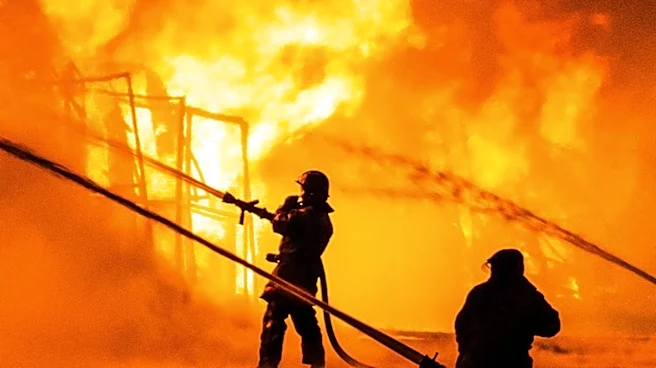
When Engine Co. 22 arrived at the scene, they were ordered to pump water onto the warehouse. The firefighters entered the building and directed water onto the fourth floor. However, as heavy black smoke began to fill the stairway, Foreman Garrett B. Lane ordered an evacuation. Fireman Francis Hart Jr. became trapped while trying to collect the hose but managed to escape to the roof and flee over neighboring rooftops.
The Aftermath of the Explosion
Shortly after Engine Co. 22 evacuated, the warehouse exploded, flattening six to eight buildings and causing extensive damage to the surrounding area. The explosion was so powerful that it blew in the fronts of opposite houses on Broad Street and wrenched shutters and doors from buildings at a distance. The blast was heard as far away as Sandy Hook, New Jersey, and shattered windows a mile away.
The explosion injured several members of Engine Co. 22, and one firefighter, Augustus L. Cowdrey, was killed. His body was never found, and his name is memorialized in Trinity Churchyard in New York for volunteer firefighters who died in the line of duty.
Investigation and Speculation
In the days following the fire, public speculation about the cause of the explosion led to the arrest of Crocker and Warren, the warehouse occupants. The Daily Tribune reported that the explosion could not have occurred without the presence of gunpowder, leading to suspicions of illegal possession. However, a later inquiry cleared Crocker and Warren of all charges, as no evidence of gunpowder was found.
The explosion during the Great New York City Fire of 1845 remains a significant event in the history of urban fires, highlighting the dangers posed by combustible materials and the challenges faced by firefighters in such situations.