


Johnny Sain, a right-handed pitcher, made a significant mark in Major League Baseball, particularly known for his partnership with Warren Spahn on the Boston Braves teams from 1946 to 1951. His career, which included 11 seasons, saw him achieve 139 wins against 116 losses with a 3.49 earned run average. Sain's impact extended beyond his statistics, as he became an integral part of baseball lore through the famous "Spahn and Sain and Pray for Rain"
poem, a testament to his crucial role in the Braves' success.
Post-War Pitching Star and MVP Contender
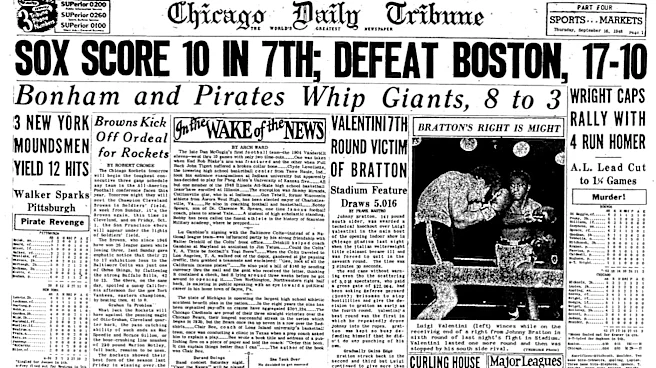
Sain's best years immediately followed World War II, a period during which he won 100 games for the Boston Braves. His exceptional performance in 1948 was particularly noteworthy. That year, Sain won 24 games against 15 losses, a stellar record that placed him second in the voting for the Most Valuable Player Award. He was only surpassed by the St. Louis Cardinals' Stan Musial, who had achieved two legs of the Triple Crown. Sain also led the National League in wins, complete games, and innings pitched that season, showcasing his dominance and endurance on the mound.
His pitching prowess was not just about wins; it was also about his approach to the game. Sain believed that merely throwing the ball was insufficient to make it vary its course. He understood that to throw pitches like a curveball or a screwball, he needed to snap his wrist, demonstrating a nuanced understanding of pitching mechanics. This dedication to his craft contributed to his effectiveness and made him a formidable opponent for any batter.
The Inspiration Behind "Pray for Rain"
Sain's joint immortality with Warren Spahn was cemented in 1948 when their feats became the subject of Gerald V. Hern's poem in The Boston Post. The poem, eventually shortened to the epigram "Spahn and Sain and Pray for Rain," captured the essence of the Braves' reliance on their two star pitchers during their pennant-winning season. The original verse, published on September 14, 1948, humorously outlined the team's pitching strategy:
First we'll use Spahn
then we'll use Sain
Then an off day
followed by rain
Back will come Spahn
followed by Sain
And followed
we hope
by two days of rain.
This poem was directly inspired by the incredible performance of Sain and Spahn during the Braves' 1948 pennant drive. A key moment occurred when the team swept a Labor Day doubleheader. Spahn pitched a complete 14-inning win in the opener, and Sain followed with a shutout in the second game. This remarkable display of endurance and skill by both pitchers, combined with a strategic use of off days and actual rain delays, saw them go 8–0 in twelve days' time. This period vividly illustrated why the team, and its fans, might indeed "pray for rain" to give their aces much-needed rest.
Later Career and Coaching Success
After his time with the Boston Braves, Sain was traded to the New York Yankees during the 1951 season. With the Yankees, he transitioned into a relief pitcher role, where he found late-career success. In 1954, he led the American League in saves with 22, demonstrating his versatility and ability to adapt to different pitching roles. He concluded his playing career in 1955 with the Kansas City Athletics. Beyond his playing days, Sain became well-known as one of the top pitching coaches in the major leagues, further extending his influence on the sport.