




The September 1926 Miami Hurricane stands as a pivotal event in the history of South Florida, marking the end of an era of rapid economic expansion. This powerful storm was the first major hurricane to directly strike the developed urban areas of Miami, including Miami Beach. Its devastating impact went far beyond immediate destruction, effectively halting the Florida land boom that had characterized the 1910s and 1920s. The hurricane served as a stark
reminder of the vulnerabilities of coastal development, reshaping the trajectory of growth for the region and leaving a lasting legacy on its economic and social landscape.
The Boom Before the Bust
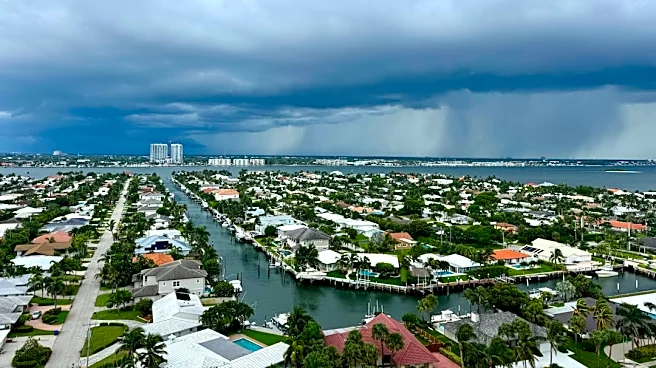
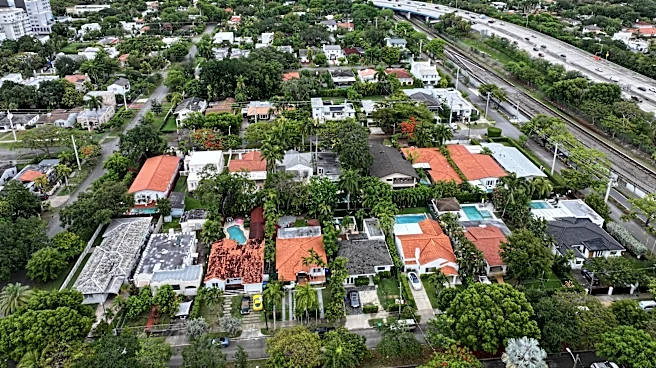
Prior to September 1926, Miami and Miami Beach were experiencing an unprecedented period of growth and speculation, often referred to as the Florida land boom. This era saw massive investment in real estate, with new urban areas rapidly emerging along the coast. The promise of sunshine, new opportunities, and quick profits drew countless individuals and significant capital to the region, transforming undeveloped land into bustling communities. This rapid expansion, however, also meant that a significant amount of new infrastructure and housing was vulnerable to natural disasters.
The burgeoning cities were largely unprepared for a storm of the magnitude that struck. The focus had been on development and expansion, with less emphasis on the potential environmental risks. The sheer scale of new construction meant that when the hurricane hit, the damage would be widespread and catastrophic, affecting not just older settlements but also the very foundations of the recently established urban centers that were the symbols of the boom.
Catastrophic Impact and Economic Fallout
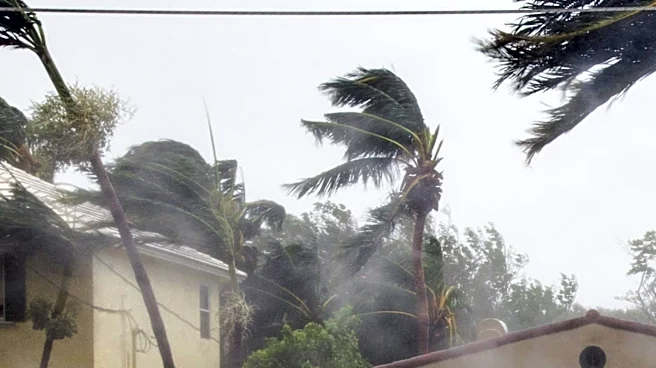
The hurricane brought immense destruction to these newly developed areas. It claimed over 200 lives and caused widespread devastation across Miami and Miami Beach. The physical damage was immense, with a storm surge exceeding 4 meters (over 13 feet) hitting the coast. This level of storm surge was not seen again in the region until Hurricane Andrew in 1992, highlighting the extreme nature of the 1926 event.
The economic consequences were immediate and profound. The destruction of property, infrastructure, and the general disruption to daily life effectively burst the speculative bubble of the land boom. Confidence in the region's continuous growth was shattered, leading to a sharp decline in investment and development. Modern calculations estimate that a similar storm today would cause over 200 billion dollars in damages in Miami, underscoring the immense financial scale of the disaster and its long-term economic repercussions.