






Mudras hold a prominent place in Buddhist iconography, serving as symbolic gestures that convey specific teachings and moments from the life of the Buddha. These gestures are not only artistic expressions but also carry profound spiritual meanings, guiding practitioners on their path to enlightenment. In Buddhist art, mudras are depicted in statues and paintings, each with its own significance and purpose.
The Dhyana Mudra
One of the most recognizable mudras in Buddhism
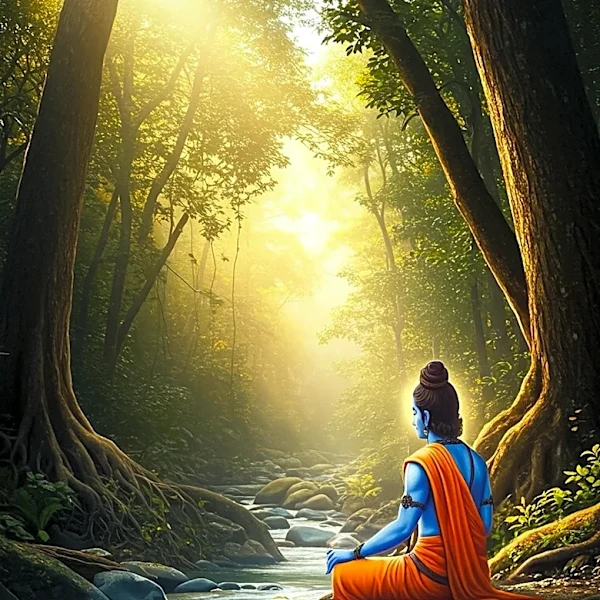
is the Dhyana Mudra, also known as the meditation gesture. This mudra is characterized by the placement of the hands on the lap, with the right hand resting on the left and the thumbs touching. It symbolizes meditation, concentration, and the attainment of spiritual enlightenment. The Dhyana Mudra is often depicted in statues of the Buddha, representing his deep meditative state and the path to Nirvana.
The Dhyana Mudra is not only a symbol of meditation but also a tool for practitioners. It is used during meditation sessions to help focus the mind and achieve a state of inner peace. The gesture is believed to channel spiritual energy, aiding in the concentration and contemplation necessary for spiritual growth.
The Abhayamudra
Another significant mudra in Buddhist iconography is the Abhayamudra, or the gesture of fearlessness. This mudra is depicted with the right hand raised to shoulder height, palm facing outward, and fingers pointing upwards. It represents protection, peace, and the dispelling of fear, offering reassurance and divine protection to followers.
The Abhayamudra is often associated with the Buddha's act of subduing a wild elephant, a story that symbolizes the triumph of peace and compassion over aggression. In Buddhist art, this mudra is frequently seen in images of the Buddha and other deities, symbolizing their benevolence and protective nature.
The Dharmachakra Mudra
The Dharmachakra Mudra, or the gesture of turning the wheel of Dharma, is another important mudra in Buddhism. It represents the Buddha's first sermon after attaining enlightenment, where he set the wheel of Dharma in motion. This mudra is depicted with both hands held in front of the chest, with the right palm facing outward and the left palm facing inward.
The Dharmachakra Mudra symbolizes the teaching and dissemination of Buddhist principles. It is a reminder of the Buddha's role as a teacher and the importance of spreading his teachings to guide others on their spiritual journey. In Buddhist art, this mudra is often seen in depictions of the Buddha delivering sermons, emphasizing his role as a spiritual guide.
Mudras in Buddhist iconography are more than just artistic elements; they are integral to the spiritual and cultural heritage of Buddhism. Each gesture carries a message, guiding practitioners and devotees in their quest for enlightenment and spiritual fulfillment.