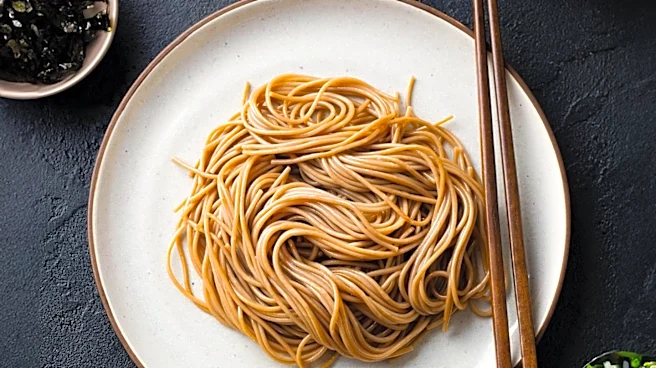










Ramen is more than just a popular dish in Japan; it is a cultural symbol that represents the country's culinary innovation and adaptability. Over the years, ramen has evolved from a simple noodle soup to a beloved national dish, reflecting Japan's rich cultural tapestry and its openness to external influences.
Ramen's Journey to National Dish
Initially, ramen was viewed with skepticism in Japan due to its Chinese origins and association with inexpensive, working-class food. However,
as Japan modernized and embraced new culinary influences, ramen began to gain popularity. The post-World War II era marked a turning point, as returning soldiers and increased wheat imports from the United States made ramen more accessible.
Ramen shops, known as rāmen'ya, began to proliferate, each offering unique flavors and styles. This diversity helped ramen shed its humble beginnings and become a celebrated part of Japanese cuisine. Today, ramen is considered a national dish, with countless regional variations and a wide range of toppings that cater to different tastes.
Ramen as a Cultural Icon
Ramen's rise to prominence has made it a cultural icon in Japan. It is featured in various forms of media, from movies and television shows to manga and anime. This widespread representation has helped cement ramen's status as a symbol of Japanese culture, both domestically and internationally.
The dish's cultural significance is also evident in the numerous ramen festivals and competitions held across Japan. These events celebrate the creativity and skill of ramen chefs, showcasing the dish's versatility and its ability to bring people together. Ramen has become a source of national pride, representing Japan's culinary prowess and its ability to adapt and innovate.
Ramen's Global Influence
Ramen's cultural impact extends beyond Japan's borders, as it has become a global phenomenon. The introduction of instant ramen in 1958 by Momofuku Ando revolutionized the way people around the world enjoy this dish. Instant ramen's convenience and affordability have made it a staple in many households, further spreading Japanese culture and cuisine.
In addition to instant ramen, traditional ramen shops have also gained popularity internationally. These establishments offer authentic Japanese ramen experiences, allowing people worldwide to appreciate the dish's rich flavors and cultural significance. Ramen's global reach has helped promote Japanese culture and foster cross-cultural exchanges.
Ramen's journey from a humble noodle soup to a cultural icon is a testament to its adaptability and appeal. Its significance in Japanese society and its global influence highlight the dish's enduring popularity and its role as a symbol of Japan's culinary heritage.