






The BARF diet, which stands for Biologically Appropriate Raw Food or Bones And Raw Food, involves feeding pets uncooked meat, edible bones, and organs. Pet owners interested in this approach have two primary avenues for providing a raw diet: preparing it at home or opting for commercially produced raw pet foods. Both methods come with their own set of considerations regarding ingredients, nutritional balance, and convenience.
Homemade BARF Diets: Customization and Challenges
Preparing a BARF diet
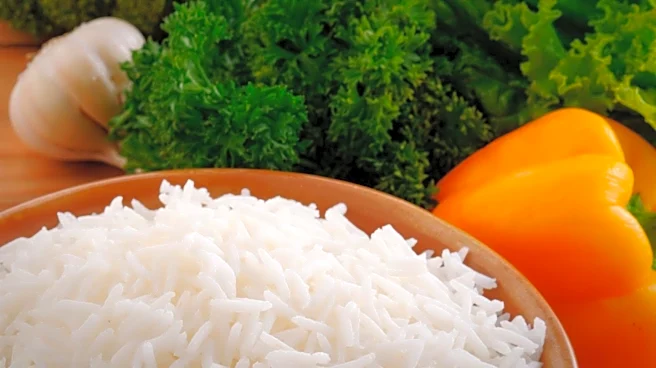
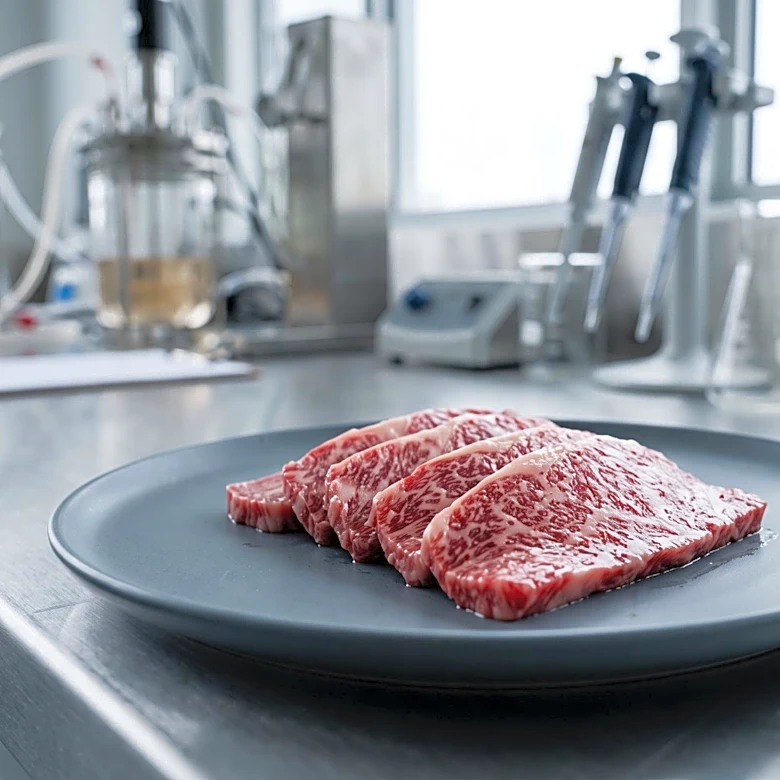
at home allows pet owners to select wholesome ingredients directly. This method often involves mimicking the diet an animal would consume in the wild, incorporating fresh raw meat (frequently lean beef, though some avoid pork for certain dogs), offal like liver, and uncooked bones. Additionally, homemade diets may include a variety of vegetables such as squash, pumpkin, leafy greens, carrots, and parsley, as well as fruits like apples, cranberries, and blueberries. Some recipes also suggest adding stocks, soups, milk, or water for moisture, and occasionally small amounts of cereal grains like barley or flax.
However, a significant critique of homemade raw diets is that they are often formulated based on personal opinion rather than scientific research. Balancing these diets properly can be challenging, and pet owners are advised that homemade diets can be associated with poor nutrition if not carefully planned. It requires thorough research and a deep understanding of the specific nutritional needs of the animal, which can vary based on life stage, breed, and overall health. The preparation process itself can also be time-consuming and involves handling raw meat, which necessitates careful hygiene to prevent foodborne illnesses.
Commercial BARF Diets: Convenience and Regulation
In response to the growing interest in raw feeding, a variety of commercial raw diet products have become available. These products offer a convenient alternative to homemade preparation, as they are often pre-packaged and can be fresh, frozen, or freeze-dried. The commercial raw pet food market has seen substantial growth, indicating a strong consumer preference for these ready-to-use options.
Many commercial raw diets are formulated to meet the nutritional requirements set by organizations like AAFCO (Association of American Feed Control Officials) for different life stages, including adult maintenance, growth, gestation, or lactation. However, it's important for consumers to note that some raw commercial products are intended only for supplemental feeding and may not be nutritionally complete or balanced on their own. To address concerns about pathogenic bacteria, many commercially sold raw food diets are treated with High Pressure Pasteurization (HPP). HPP is a USDA-approved food processing technique that sterilizes food and extends shelf life by applying intense pressure in a water-filled chamber. While HPP helps eliminate most bacteria, it cannot destroy all pathogens. The Food and Drug Administration (FDA) has also issued guidance for the raw pet food industry concerning preparation, labeling, storage, and transport to ensure product safety and quality.
The Role of Supplements
Whether opting for homemade or commercial raw diets, supplementation can play a beneficial role in ensuring a complete and optimal diet for pets. Supplements can help address potential nutritional gaps, especially since some raw dog diets have been found to be low in nutrients like vitamin E, zinc, and iodine. For instance, vitamin E, an antioxidant not naturally present in raw meat, is acquired from plants and can be supplemented to reduce inflammation and support brain cognition in aging dogs. Fatty acid supplements, such as fish oil, provide omega-3 and omega-6 fatty acids, which are anti-inflammatory and can improve coat condition and reduce intestinal inflammation. Mineral supplements like zinc and kelp (for iodine) are also common. Consulting with a veterinarian or animal nutritionist can help pet owners determine the most appropriate supplements for their animal's specific needs.