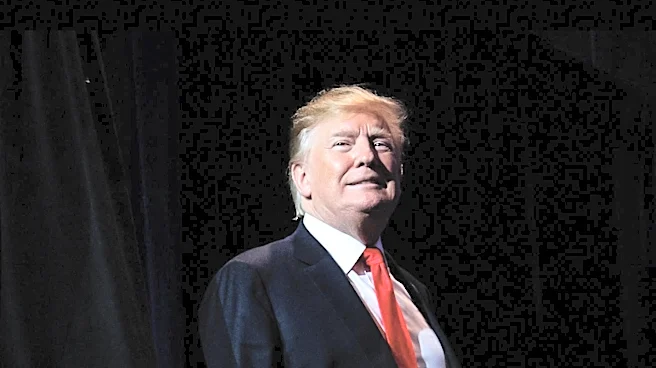





On July 13, 2024, a significant event unfolded in Pennsylvania that captured national attention: the attempted assassination of Donald Trump. This incident marked the first time a current or former U.S. president or presidential candidate had been shot since the attempted assassination of Ronald Reagan in 1981. The event not only raised questions about security measures but also highlighted the political tensions of the time.
The Shooting Incident
The attempted assassination
took place during a Trump rally in Pennsylvania. As shots rang out, chaos ensued, and the shooter managed to hit at least four people, including Donald Trump. Trump was shot in the upper right ear, causing him to instinctively raise his hand to the wound before taking cover behind the podium. Secret Service agents quickly responded, shielding Trump and ensuring his safety. Despite the chaos, Trump managed to raise his fist to the crowd, a gesture that was met with cheers and chants of "U-S-A!"
Tragically, one of the victims, Corey Comperatore, a 50-year-old firefighter, lost his life. He heroically shielded his family from the gunfire, sacrificing himself in the process. Two other men, David Dutch and James Copenhaver, were also injured but survived the attack. The incident left a lasting impact on those present and underscored the potential dangers faced by public figures.
Immediate Aftermath and Security Measures
In the immediate aftermath of the shooting, Donald Trump was taken to a nearby hospital for examination. The United States Secret Service confirmed the incident and assured the public that Trump was safe. Security measures were heightened, particularly at Trump Tower, with the New York City Police Department increasing their presence.
The incident prompted a broader discussion about security protocols for political figures. Independent presidential candidate Robert F. Kennedy Jr., who had previously been denied Secret Service protection, was granted it two days after the attempt on Trump's life. This decision highlighted the ongoing concerns about the safety of political candidates in a charged political climate.
Investigations and Political Repercussions
The attempted assassination was investigated as both an attempted murder and an act of domestic terrorism. The FBI, along with the National Security Division of the United States Department of Justice, the United States Secret Service, and the Bureau of Alcohol, Tobacco, Firearms and Explosives, took charge of the investigation. President Biden ordered an independent review of the federal security provided by the Secret Service to understand how the shooter nearly succeeded.
The incident also had political repercussions. Kimberly Cheatle, a key figure in the Secret Service, testified before the House Oversight Committee, acknowledging the event as a significant operational failure. Despite calls for her resignation, she pledged to remain in her position. The investigation and its findings were set to be made public, ensuring transparency and accountability in the wake of the attack.