


Motorsport safety today is a sophisticated field, integrating advanced engineering, innovative technology, and strict regulations to protect everyone involved in racing events. The focus is not just on preventing accidents but also on mitigating injuries when they occur. This dual approach has led to the development and implementation of a wide array of cutting-edge safety systems, from the structural integrity of vehicles to the personal gear worn
by competitors. These technologies are continuously refined through research and data analysis, setting new benchmarks for safety in high-speed environments.
Advanced Vehicle Safety Systems
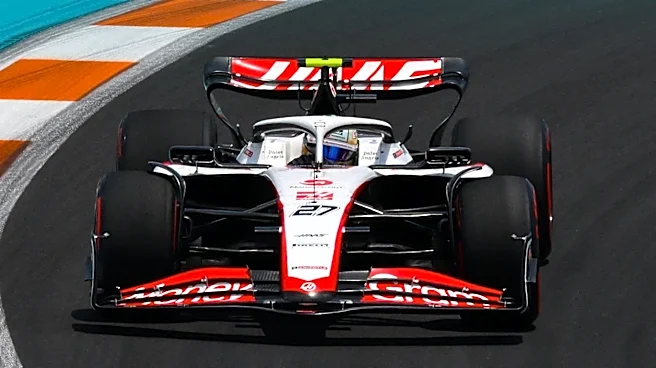
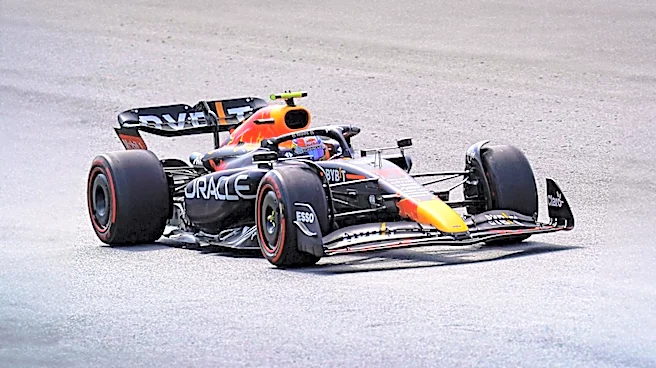
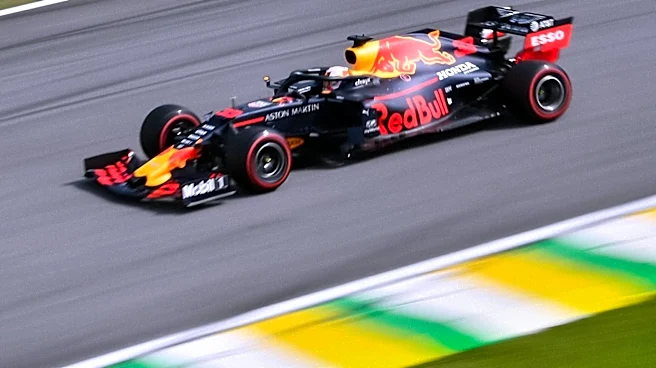
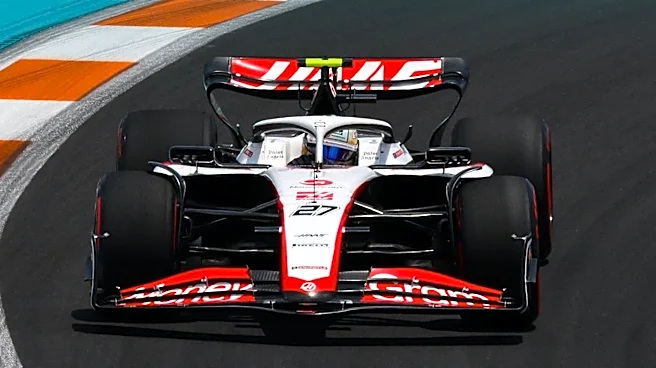
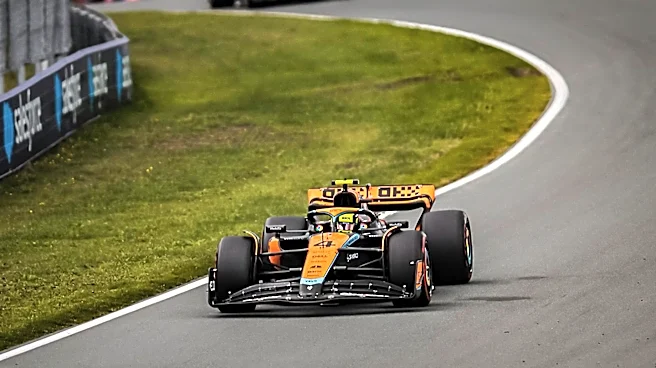
Modern race cars are essentially mobile safety cocoons, incorporating multiple technologies to shield drivers and reduce the impact of collisions. At the core are roll cages and reinforced monocoque structures, which form a rigid, protective cell around the driver. Complementing these are energy-absorbing crash structures and deformable zones, strategically designed to crumple and dissipate kinetic energy during an impact, thereby reducing the forces transmitted to the driver.
Fire suppression systems and onboard extinguishers are critical components, offering immediate response to potential fires. Electronic aids play a significant role in preventing accidents; systems like ABS (Anti-lock Braking System) and traction control enhance stability, while Dynamic Stability Control and Electronic Brakeforce Distribution further improve vehicle handling and control, especially in challenging conditions. Additionally, onboard medical data recorders and incident sensors provide crucial information post-crash, aiding medical response and future safety research.
Rider Protection in Motorcycle Racing
Motorcycle racing, with its unique dynamics, requires specialized rider protection systems. These include advanced airbag suits, which deploy upon impact to cushion the rider, and reinforced helmets designed to withstand severe forces. Advanced leathers are also engineered to absorb impacts and resist abrasion, offering a comprehensive layer of protection. The FIM (Fédération Internationale de Motocyclisme) has been at the forefront of mandating these innovations.
As of the 2022 season, FIM regulations require all riders in FIM Sprint Circuit Racing championships, including prestigious series like MotoGP, Moto2, and Moto3, to use approved, autonomous (wireless) airbag systems. This regulation underscores the commitment to integrating the most effective safety technologies directly into rider equipment, significantly enhancing protection in a sport where direct impact with the ground is a constant risk.
Personal Safety Equipment and Track Design
Beyond the vehicles themselves, personal safety equipment for drivers and riders is rigorously designed and tested. Drivers are mandated to wear FIA-approved helmets, which offer superior head protection. Fire-resistant clothing, including Nomex suits, gloves, and boots, provides crucial protection against heat and flames. HANS (Head and Neck Support) devices or similar restraint systems are essential for reducing the risk of neck and spinal injuries during high-G impacts. All this equipment must meet stringent FIA or FIM standards before being cleared for competition.
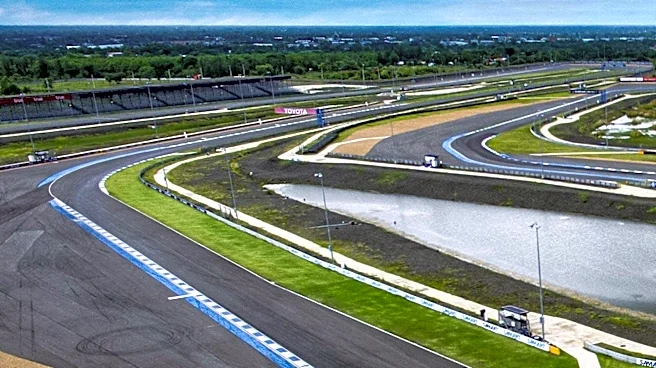
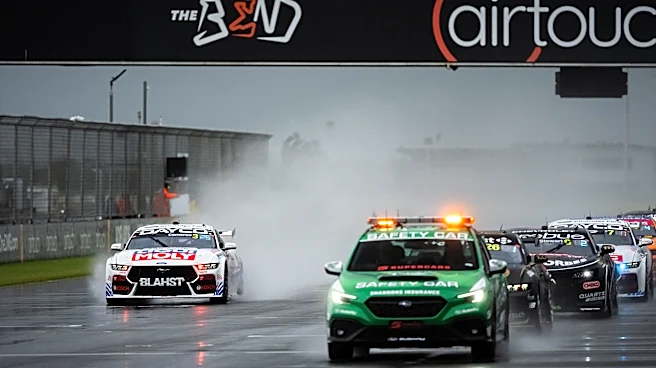
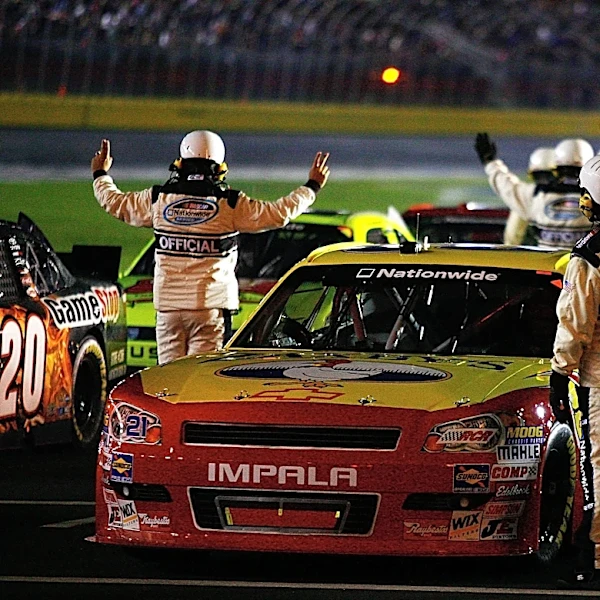
Track and circuit safety also forms a vital layer of protection. Modern circuits are engineered with wide runoff areas, Tecpro barriers, and gravel traps, all designed to slow vehicles safely after a loss of control. Strategic placement of track marshals, medical teams, and rapid-response vehicles ensures immediate intervention in the seconds following a crash. Even temporary street circuits incorporate energy-absorbing walls and reinforced fencing to protect both competitors and spectators, demonstrating a holistic approach to safety that extends beyond the vehicle and driver.