

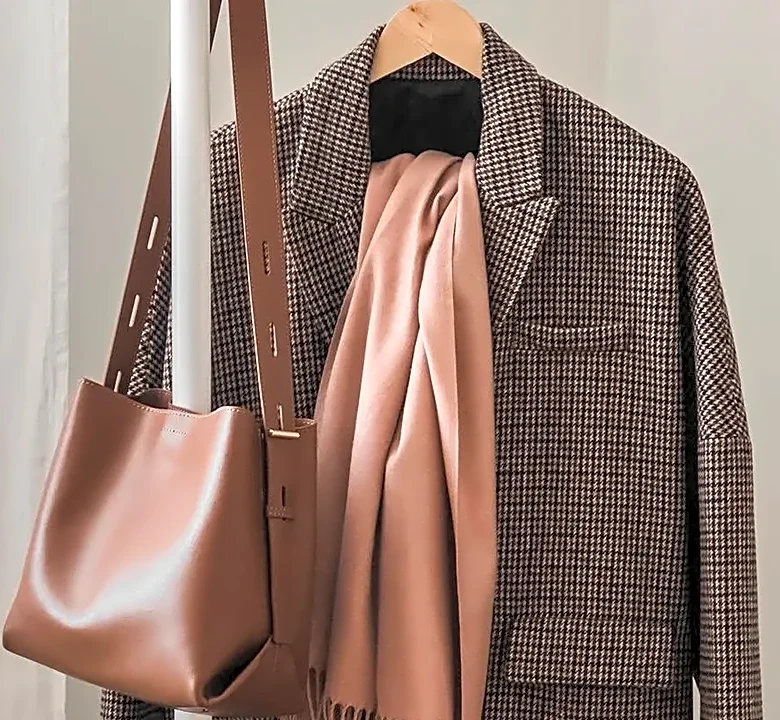


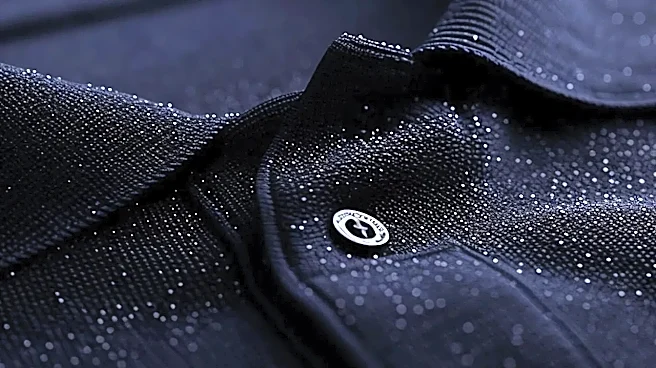

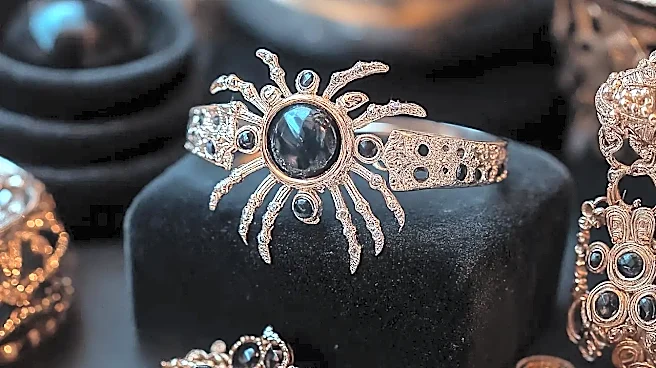
Fashion is far more than just clothing; it is a multifaceted term encompassing the creation of garments, footwear, accessories, cosmetics, and jewelry, and how these elements are combined into outfits. These distinctive ways of dressing serve as powerful signifiers of social status, self-expression, and group belonging. As an inherently social phenomenon, fashion requires dissemination and followers to be defined as such. It acts as a form of communication,
producing various "fashion statements" through a "grammar of fashion," as noted by influential French philosopher and semiotician Roland Barthes. Every individual is "forced to appear" before others, and their attire is constantly evaluated, considering colors, materials, silhouette, and how garments appear on the body. Even identical garments can look different based on the wearer's body shape or the garment's condition, highlighting the personal and social dimensions of dress.
Fashion as a Social Phenomenon
From an anthropological perspective, fashion is examined by asking why certain styles are deemed socially appropriate while others are not. Interactionist theory suggests that a particular practice or expression chosen by those in power within a community becomes "the fashion" for that time. If a style resonates with an existing set of beliefs, its chances of becoming fashionable increase. Fashion scholar Susan B. Kaiser emphasizes that everyone is evaluated by their attire, and this evaluation includes the consideration of colors, materials, silhouette, and how garments appear on the body. This constant assessment underscores the social pressure and communicative power embedded in fashion choices.
Fashion's dissemination can occur in several ways: from the top-down, known as "trickle-down"; from the bottom-up, or "bubble up/trickle-up"; or transversally across cultures and through viral memes and media, referred to as "trickle-across." These mechanisms illustrate how trends spread and gain acceptance within different social strata and across geographical boundaries. The social influences on fashion are profound, shaping not only what people wear but also how they perceive themselves and others.
Fashion, Anti-Fashion, and Social Mobility
Cultural theorists Ted Polhemus and Lynn Procter describe fashion as a form of adornment, distinguishing between fashion and anti-fashion. Anti-fashion is characterized by its fixed nature, changing little over time and varying primarily based on cultural or social groups or locality. Examples include ceremonial or traditional clothing, where specific garments are faithfully reproduced to maintain tradition, such as certain kabuki play costumes that have remained unchanged for centuries. Anti-fashion is concerned with maintaining the status quo and expresses time in terms of continuity.
In contrast, fashion is dynamic and can change very quickly. It is not confined to one group or area but spreads globally wherever people can easily communicate. Fashion is concerned with social mobility and expresses time in terms of change, featuring evolving modes of adornment. Cultural theorist Malcolm Bernard highlights this distinction, viewing fashion and anti-fashion as polar opposites. From this theoretical lens, changes in fashion are often structured by powerful actors within the industry and promoted through channels like paid advertisements, making it a deliberate shift in style. The lines between fashion and anti-fashion can blur, however, as expressions once outside the mainstream can become commoditized and integrated into fashion trends, signifying new meanings. This can be seen in how elements from ethnic dress appear on catwalks or in street cultures, or how tattoos, once associated with sailors, laborers, and criminals, have become part of popular culture.